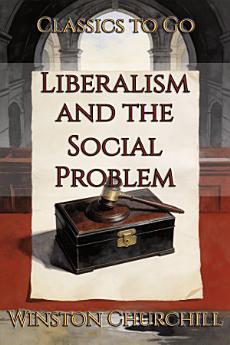
Liberalism and the Social Problem: Restored Classics to Go Edition
About this ebook
Discover more
About the author
Winston Churchill was a British statesman, soldier, journalist, and writer whose life spanned some of the most turbulent decades of the twentieth century. Born into an aristocratic family in 1874, he entered public life early, served in the military and as a war correspondent, and went on to hold many of the highest offices in government, including during the Second World War, when his leadership and speeches helped steady a nation under siege. Alongside his political career, he built a formidable literary reputation, producing histories, memoirs, speeches, and essays marked by clarity, force, and a gift for shaping public memory. His writing often returned to questions of liberty, national character, duty, and the responsibilities of leadership, while also engaging with the social and political challenges of modern life. Those concerns remain strikingly relevant today, especially in an age still wrestling with democracy, crisis, and the balance between individual freedom and collective welfare. Churchill's legacy endures not only because of his role in world events, but because his prose captures the drama of leadership and the moral stakes of public life with unusual power. Readers drawn to political history, eloquent argument, and reflections on leadership and society will find him especially rewarding.