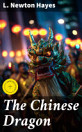
The Chinese Dragon
L. Newton Hayes
Mar 2022 · Otbebookpublishing
Ebook
40
Pages
family_home
Eligible
info
About this ebook
Detailing the history of the dragon in Chinese thought and life, this volume suggests that though the dragon is one of the most common ornamental designs in China, few have written about its significance. (Google)
Detailing the history of the dragon in Chinese thought and life, this volume suggests that though the dragon is one of the most common ornamental designs in China, few have written about its significance. (Google)
Discover more
About the author
L. Newton Hayes, an enigmatic figure in early 20th-century literature, carved a niche for himself as a profound observer of East Asian cultures. Born in 1883, Hayes was not just an author but a cultural bridge-builder during a time of significant geopolitical shifts. His works often delved into the intricate tapestry of Chinese traditions, folklore, and societal norms, offering Western readers a rare glimpse into a world that was largely misunderstood and exoticized.Hayes's literary journey was marked by a deep immersion in Chinese culture, having spent considerable time living in China. This firsthand experience lent an authenticity and depth to his writings that were both educational and evocative. His ability to weave historical context with vivid storytelling made his works stand out in an era dominated by Western-centric narratives.One of the most intriguing aspects of Hayes's life was his role in fostering cross-cultural understanding. At a time when the West viewed China through a lens of imperialism and exoticism, Hayes championed a more nuanced and respectful perspective. His writings often challenged prevailing stereotypes and encouraged readers to appreciate the richness of Chinese heritage.Controversy was not alien to Hayes. His outspoken critiques of Western imperialism and his advocacy for Chinese self-determination attracted both admiration and criticism. These revolutionary ideas positioned him as a forward-thinking intellectual who was ahead of his time, influencing contemporary writers who sought to break free from colonial mindsets.L. Newton Hayes remains a significant yet underappreciated figure in literary history. His contributions continue to resonate, reminding modern readers of the importance of cultural empathy and the enduring power of storytelling in bridging divides.
L. Newton Hayes, an enigmatic figure in early 20th-century literature, carved a niche for himself as a profound observer of East Asian cultures. Born in 1883, Hayes was not just an author but a cultural bridge-builder during a time of significant geopolitical shifts. His works often delved into t...
Rate this ebook
Tell us what you think.
Reading information
Smartphones and tablets
Install the Google Play Books app for Android and iPad/iPhone. It syncs automatically with your account and allows you to read online or offline wherever you are.
Laptops and computers
You can listen to audiobooks purchased on Google Play using your computer's web browser.
eReaders and other devices
To read on e-ink devices like Kobo eReaders, you'll need to download a file and transfer it to your device. Follow the detailed Help Center instructions to transfer the files to supported eReaders.