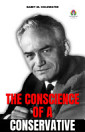
The Conscience of a Conservative: Restored Classics to Go Edition
About this ebook
Discover more
About the author
Barry M. Goldwater, born in 1909 in Phoenix, Arizona, was a businessman, Air Force reserve officer, and one of the most influential conservative political figures of the twentieth century. Rising from a prominent Arizona family with deep territorial roots, he built his public life around a fierce belief in individual liberty, limited government, and personal responsibility, eventually serving as a U.S. senator and becoming the Republican Party's presidential nominee in 1964. Though best known as a political leader, he also left a lasting literary mark through his plainspoken, forceful writing on conservatism, which helped define the modern American right and gave voice to a philosophy that prized decentralization, free enterprise, and skepticism of federal power. His ideas often sparked debate, yet they remain central to conversations about the proper role of government, the balance between freedom and security, and the tension between principle and pragmatism in public life. Goldwater's legacy endures because he articulated a clear, unapologetic political vision that continues to influence conservative thought and American political identity. Readers interested in American history, political philosophy, and the origins of modern conservatism will find him especially compelling.