Nuclear Statecraft: History and Strategy in America's Atomic Age
About this ebook
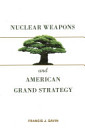
We are at a critical juncture in world politics. Nuclear strategy and policy have risen to the top of the global policy agenda, and issues ranging from a nuclear Iran to the global zero movement are generating sharp debate. The historical origins of our contemporary nuclear world are deeply consequential for contemporary policy, but it is crucial that decisions are made on the basis of fact rather than myth and misapprehension. In Nuclear Statecraft, Francis J. Gavin challenges key elements of the widely accepted narrative about the history of the atomic age and the consequences of the nuclear revolution.
On the basis of recently declassified documents, Gavin reassesses the strategy of flexible response, the influence of nuclear weapons during the Berlin Crisis, the origins of and motivations for U.S. nuclear nonproliferation policy, and how to assess the nuclear dangers we face today.
In case after case, he finds that we know far less than we think we do about our nuclear history. Archival evidence makes it clear that decision makers were more concerned about underlying geopolitical questions than about the strategic dynamic between two nuclear superpowers.Gavin's rigorous historical work not only tells us what happened in the past but also offers a powerful tool to explain how nuclear weapons influence international relations. Nuclear Statecraft provides a solid foundation for future policymaking.
Discover more
About the author
Francis J. Gavin is Frank Stanton Chair in Nuclear Security Policy Studies and Professor of Political Science at MIT. He is the author of Gold, Dollars, and Power: The Politics of International Monetary Relations, 1958–1971.