The Ingenious Gentleman Don Quixote of La Mancha: with Gustav Doré’s artistic vision
About this ebook
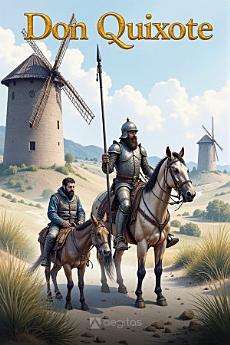
Set in early 17th-century Spain, the novel is a rich tapestry of satire, romance, and social commentary. Cervantes uses Don Quixote’s delusions and noble pursuits to explore themes of identity, honor, and the often blurred line between fantasy and reality. The narrative’s layered complexity combines comic episodes with profound philosophical insights, making it both an entertaining and deeply thought-provoking read.
Gustave Doré’s iconic illustrations perfectly complement the text, capturing the whimsy, drama, and pathos of Don Quixote’s journey. His detailed engravings bring to life the characters and settings, enhancing the immersive experience for readers and adding a visually striking dimension to Cervantes’ classic tale.
Don Quixote remains an enduring symbol of the human spirit’s quest for meaning and purpose. It challenges readers to question the nature of truth and to appreciate the power of dreams in shaping one’s destiny. This edition, enriched with Doré’s artistic vision, is an invitation to rediscover a literary treasure that continues to inspire and captivate audiences across generations.
Discover more
Ratings and reviews
About the author
Miguel de Cervantes Saavedra (1547–1616) is widely regarded as one of the greatest writers in the Spanish language and a monumental figure in world literature. Born in Alcalá de Henares, Spain, Cervantes lived a life marked by adventure, hardship, and resilience. He pursued various professions, including soldier, purchasing agent for the Spanish Armada, tax collector, and even prisoner of the Barbary pirates. These diverse experiences deeply informed his writing and gave him a unique perspective on human nature and society.
Cervantes’ literary legacy is most famously embodied in his masterpiece, Don Quixote, published in two parts in 1605 and 1615. This groundbreaking novel not only pioneered the modern novel form but also introduced a complex blend of realism, satire, and fantasy that challenged existing literary conventions. Through Don Quixote, Cervantes brilliantly explored themes of idealism versus reality, the nature of sanity and madness, and the social and cultural tensions of his time.
In addition to Don Quixote, Cervantes wrote numerous plays, poetry, and novellas that contributed significantly to the Spanish Golden Age of literature. Despite facing financial difficulties and relative obscurity during his lifetime, his innovative storytelling, rich characterizations, and profound humanism have made his works timeless. Today, Cervantes continues to influence literature, inspiring countless writers and captivating readers around the world for over four centuries. His genius lies in his ability to blend humor and tragedy, creating narratives that speak to the complexities of the human experience.