About this ebook
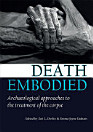
Archaeological interpretations of burial remains can often suggest that the skeletons which we uncover, and therefore usually associate with past funerary practices, were what was actually deposited in graves, rather than articulated corpses. The choices made by past communities or individuals about how to cope with a dead body in all of its dynamic and constituent forms, and whether there was reason to treat it in a manner that singled it out (positively or negatively) as different from other human corpses, provide the stimulus for this volume. The nine papers provide a series of theoretically informed, but not constrained, case studies which focus predominantly on the corporeal body in death. The aims are to take account of the active presence of dynamic material bodies at the heart of funerary events and to explore the questions that might be asked about their treatment; to explore ways of putting fleshed bodies back into our discussions of burials and mortuary treatment, as well as interpreting the meaning of these activities in relation to the bodies of both deceased and survivors; and to combine the insights that body-centered analysis can produce to contribute to a more nuanced understanding of the role of the body, living and dead, in past cultures.
Discover more
About the author
Dr Zoë L. Devlin has previously worked as lecturer in medieval archaeology at Cardiff University and as editor of the journal, Internet Archaeology. Her research interests focus on Anglo-Saxon funerary practices and commemoration, the relationship between history and archaeology and attitudes towards the corruption and preservation of the corpse in medieval England.
Dr Emma-Jayne Graham is Lecturer in Classical Studies at The Open University. She was Rome Fellow at the British School at Rome (2005–06) and previously taught at the Universities of Cardiff, St. Andrews and Leicester. Her research primarily concerns the archaeology of Roman Italy with a particular focus on the treatment and representation of the human body, mortuary practices, theories of personhood and manipulation of the corpse, as well as the role of sensory experience in the construction and expression of religious identities.