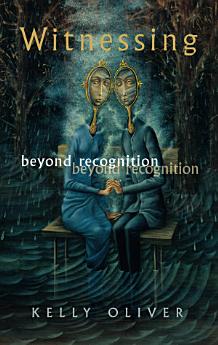
Witnessing: Beyond Recognition
1/2001 · U of Minnesota Press
E‑kniha
262
Počet strán
Nástroje
info
Táto e‑kniha
Challenging the fundamental tenet of the multicultural movement-that social struggles turning upon race, gender, and sexuality are struggles for recognition-this work offers a powerful critique of current conceptions of identity and subjectivity based on Hegelian notions of recognition. The author’s critical engagement with major texts of contemporary philosophy prepares the way for a highly original conception of ethics based on witnessing.Central to this project is Oliver’s contention that the demand for recognition is a symptom of the pathology of oppression that perpetuates subject-object and same-different hierarchies. While theorists across the disciplines of the humanities and social sciences focus their research on multiculturalism around the struggle for recognition, Oliver argues that the actual texts and survivors’ accounts from the aftermath of the Holocaust and slavery are testimonials to a pathos that is “beyond recognition.” Oliver traces many of the problems with the recognition model of subjective identity to a particular notion of vision presupposed in theories of recognition and misrecognition. Contesting the idea of an objectifying gaze, she reformulates vision as a loving look that facilitates connection rather than necessitates alienation. As an alternative, Oliver develops a theory of witnessing subjectivity. She suggests that the notion of witnessing, with its double meaning as either eyewitness or bearing witness to the unseen, is more promising than recognition for describing the onset and sustenance of subjectivity. Subjectivity is born out of and sustained by the process of witnessing-the possibility of address and response-which puts ethical obligations at its heart.
Challenging the fundamental tenet of the multicultural movement-that social struggles turning upon race, gender, and sexuality are struggles for recognition-this work offers a powerful critique of current conceptions of identity and subjectivity based on Hegelian notions of recognition. The auth...
O autorovi
Kelly Oliver is associate professor of philosophy and women's studies at SUNY, Stony Brook. She is the author of Subjectivity Without Subjects: From Abject Fathers to Desiring Mothers (1998), Family Values: Subjects Between Nature and Culture (1997), and Womanizing Nietzsche: Philosophy's Relations to "the Feminine" (1995).
Kelly Oliver is associate professor of philosophy and women's studies at SUNY, Stony Brook. She is the author of Subjectivity Without Subjects: From Abject Fathers to Desiring Mothers (1998), Family Values: Subjects Between Nature and Culture (1997), and Womanizing Nietzsche: Philosophy's Relatio...
Ohodnoťte túto elektronickú knihu
Povedzte nám svoj názor.
Informácie o dostupnosti
Smartfóny a tablety
Nainštalujte si aplikáciu Knihy Google Play pre Android a iPad/iPhone. Automaticky sa synchronizuje s vaším účtom a umožňuje čítať online aj offline, nech už ste kdekoľvek.
Laptopy a počítače
Audioknihy zakúpené v službe Google Play môžete počúvať prostredníctvom webového prehliadača v počítači.
Čítačky elektronických kníh a ďalšie zariadenia
Ak chcete tento obsah čítať v zariadeniach využívajúcich elektronický atrament, ako sú čítačky e‑kníh Kobo, musíte stiahnuť príslušný súbor a preniesť ho do svojho zariadenia. Pri prenose súborov do podporovaných čítačiek e‑kníh postupujte podľa podrobných pokynov v centre pomoci.