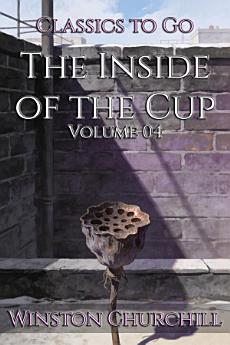
The Inside of the Cup: Restored Classics to Go Edition
About this ebook
Discover more
About the author
Winston Churchill, the American novelist, was born in St. Louis in 1871 and came of age during a period of rapid industrial change, political reform, and growing public debate about faith, class, and democracy. After a brief and promising military education, he turned to writing and quickly found an audience with novels that blended social observation, moral inquiry, and popular storytelling. Over the course of his career, he became one of the most widely read American fiction writers of the early twentieth century, known for his ability to dramatize the tensions between personal conscience and public life, and for novels that examined religion, reform, politics, and the responsibilities of citizenship. His work often centers on characters struggling to reconcile inner belief with the pressures of modern society, a theme that still feels urgently contemporary in an age marked by institutional distrust, ethical uncertainty, and competing visions of the good life. Churchill's fiction remains significant because it captures a transitional America with clarity and empathy, showing how private choices are shaped by larger social forces without losing sight of individual moral agency. Today, readers can still find in his writing a thoughtful, accessible portrait of a society negotiating change, and those who enjoy socially engaged fiction, moral drama, and novels of ideas are especially likely to appreciate him.