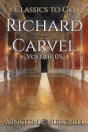
Richard Carvel: Restored Classics to Go Edition
About this ebook
Discover more
About the author
Winston Churchill was an American novelist and public intellectual, not to be confused with the British statesman of the same name, whose life bridged the worlds of literature, politics, and social commentary during a period of rapid change in the United States. Born in St. Louis in 1871 and educated at the Naval Academy before turning to writing, he became one of the most widely read authors of his era, building a career that brought him both popular success and serious attention. His fiction often explored the tensions between personal conscience and public duty, the pressures of class and ambition, and the moral choices that shape individual lives, while his historical novels helped make the past vivid for a broad readership. He also engaged directly with contemporary issues, giving his work a sense of urgency that still resonates today. Churchill's enduring significance lies in his ability to combine accessible storytelling with ethical reflection, offering readers not just entertainment but a thoughtful look at character, society, and change. Modern readers will find in his work familiar concerns about leadership, integrity, and the search for meaning in a complicated world. He is especially likely to appeal to readers who enjoy historical fiction, socially conscious novels, and richly observed stories about American life.