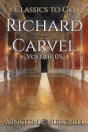
Richard Carvel: Restored Classics to Go Edition
About this ebook
Discover more
About the author
Winston Churchill was a prolific American novelist and public intellectual born in St. Louis in 1871, educated at the United States Naval Academy, and briefly drawn into military and political life before turning fully to writing. He became one of the most widely read storytellers of the early twentieth century, gaining popularity for sweeping historical fiction and socially conscious novels that combined adventure, politics, and moral reflection. Though his reputation later became overshadowed by the far more famous British statesman of the same name, his fiction was once a major part of American literary life, admired for its accessible style, broad historical imagination, and engagement with questions of democracy, class, honor, and civic responsibility. His work often explores the pressures of public life, the shaping force of history, and the tension between personal conscience and social expectation, themes that still resonate in a world preoccupied with leadership, identity, and political division. Churchill's legacy lies in his ability to make history feel immediate and human, inviting readers to see the past not as distant spectacle but as a mirror for present concerns. Readers who enjoy immersive historical novels, thoughtful political drama, and stories that blend entertainment with moral seriousness are especially likely to appreciate his work today.