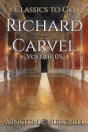
Richard Carvel: Restored Classics to Go Edition
About this ebook
Discover more
About the author
Winston Churchill was an American novelist and public thinker, not to be confused with the British statesman of the same name, whose life bridged the worlds of literature, civic debate, and early twentieth-century American culture. Born in St. Louis, Missouri, he studied at the U.S. Naval Academy before turning to writing, a change that proved decisive in shaping a career marked by popular success and broad public influence. He became one of the best-known novelists of his era, admired for ambitious historical fiction, vivid storytelling, and a strong interest in the moral and political questions of his time. His work often explored the tension between private conscience and public duty, the making of character, and the pressures of social change, themes that still feel familiar in an age wrestling with leadership, inequality, and national identity. Churchill's novels helped bring history to life for a wide readership, combining drama with reflection in a way that made serious ideas accessible without losing narrative momentum. His legacy lies in that blend of entertainment and ethical seriousness, and in the reminder that fiction can do more than tell a good story: it can illuminate how people and societies grow, fail, and try again. Readers who enjoy historical novels, socially minded storytelling, and richly drawn characters will especially appreciate his work.