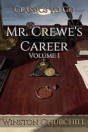
Mr. Crewe's Career: Restored Classics to Go Edition
About this ebook
Discover more
About the author
Winston Churchill, the American novelist, was born in St. Louis in 1871 and came of age during a period of rapid social change, a background that helped shape his interest in politics, class, and the moral tensions of public life. Educated at the Naval Academy and briefly drawn toward military service, he soon turned to writing and became one of the most widely read popular novelists of his era, producing fiction that blended accessible storytelling with sharp observations about American society. His novels often explored ambition, reform, corruption, and the pressures placed on individuals by wealth and power, while also reflecting a strong concern with civic responsibility and ethical character. Though he is less remembered today than some of his contemporaries, his work remains notable for capturing the anxieties of a nation modernizing at speed, and for asking how integrity can survive in public and private life alike. Readers today can still find relevance in his attention to political theater, social aspiration, and the conflict between idealism and self-interest, themes that feel strikingly current. Churchill's legacy lies in his ability to make serious social questions vivid and entertaining, and his fiction will especially appeal to readers who enjoy historical novels, early twentieth-century American life, and stories that combine drama with moral reflection.