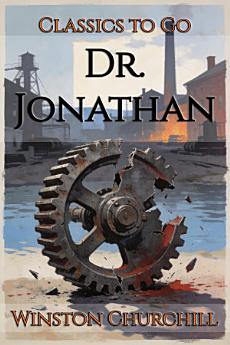
Dr. Jonathan: Restored Classics to Go Edition
About this ebook
Discover more
About the author
Winston Churchill was a towering public figure whose life stretched across the worlds of politics, war, journalism, and literature, making him one of the most influential voices of the twentieth century. Born into the British aristocracy in 1874, he built a remarkable career as a soldier, war correspondent, parliamentarian, cabinet minister, and eventually prime minister, leading Britain through its darkest hours during the Second World War. Alongside his statesmanship, he was a prolific writer of history, memoir, and political reflection, and his mastery of language earned him the Nobel Prize in Literature. His writing is marked by clarity, grandeur, and a strong sense of moral purpose, often returning to themes of leadership, national resilience, democratic resolve, and the burden of decision in times of crisis. What makes Churchill still relevant today is not only his role in historic events but also his insistence that words can shape public courage and collective memory. He remains a compelling figure for readers interested in the meeting point of action and ideas, and his work continues to speak to anyone concerned with leadership, freedom, and the responsibilities of power. Readers who enjoy eloquent prose, historical insight, and reflections on courage under pressure will find him especially rewarding.