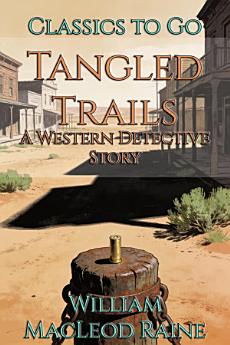
Tangled Trails: Restored Classics to Go Edition
About this ebook
Discover more
About the author
William MacLeod Raine was a prolific American novelist born in England and raised in the American West, an upbringing that gave him an intimate feel for frontier landscapes, hard-won justice, and the moral tensions of life on the edge of civilization. After studying in the United States and working as a teacher and journalist, he turned to fiction and became one of the most widely read writers of Westerns in the early twentieth century. His novels helped define the popular Western not just as an adventure form, but as a stage for questions of honor, law, loyalty, and personal responsibility. Raine's stories often blend action with mystery, romance, and local color, creating vivid portraits of ranchers, outlaws, lawmen, and settlers caught between wilderness and settlement. What makes his work still relevant is its clear-eyed interest in how communities are built, how justice is pursued in uncertain conditions, and how ordinary people test their character under pressure. He wrote with pace and accessibility, but also with a strong sense of place that continues to appeal to readers who want the West to feel lived-in rather than mythic. Today, Raine remains significant as a major popularizer of the Western genre, a writer whose work helped shape the conventions later authors and filmmakers would inherit. Readers who enjoy classic frontier tales, fast-moving plots, and stories where landscape and morality are equally important will find him especially rewarding.