The Frozen Deep
Nov 2022 · DigiCat
Ebook
70
Pages
family_home
Eligible
info
About this ebook
Wilkie Collins' 'The Frozen Deep' is a piercing exploration of the human spirit confronting the merciless forces of nature, encapsulated within a dramatic narrative that engages the reader through its theatrical ambience. Written in the tradition of melodramatic Victorian plays, Collins' work offers a compelling mixture of romance, suspense, and moral dilemmas. Set against the perilous backdrop of an Arctic expedition in search of the Northwest Passage, the narrative's tempo oscillates with the grandeur of a celebratory ball and the stoic courage of seafarers adrift in the bleak, unforgiving Arctic. Collins' style marries naturalist dialogue with the requited yearning to embellish the English literary tapestry in a period rich with exploration tales and imperial adventure, making 'The Frozen Deep' a work of significant literary context and distinctive storytelling prowess. Wilkie Collins, a close confidant and contemporary of Charles Dickens, is often heralded for his innovative narrative techniques and mastery of suspense. Indeed, 'The Frozen Deep' was composed under Dickens' substantial influence, reflecting a shared fascination with human endurance in extremis, and a tendency to scrutinize the complexities of moral choice. This work, emerging from his comprehensive understanding of human nature, social dynamics, and a propensity for thematic intricacies, unravels the layered textures of Victorian society, highlighting the era's preoccupations with exploration and the resulting interpersonal dynamics shaped under stress and isolation. 'The Frozen Deep' comes highly recommended for aficionados of Victorian literature and enthusiasts of maritime adventure alike. Its rich portrayal of personal sacrifice, honor, and love invites readers to immerse themselves in a bygone era that blends historic valor with an intricate ballet of human emotion. Collins' masterful pen offers a window into the intrepid souls of the 19th century, making this play not only an artifact of its time but a timeless examination of the depths to which humanity can sink, and the heights to which it can soar in the face of relentless adversity.
Wilkie Collins' 'The Frozen Deep' is a piercing exploration of the human spirit confronting the merciless forces of nature, encapsulated within a dramatic narrative that engages the reader through its theatrical ambience. Written in the tradition of melodramatic Victorian plays, Collins' work off...
Discover more
About the author
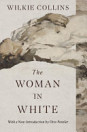
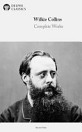
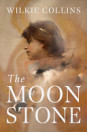
Wilkie Collins, an eminent figure in Victorian literature, was born on January 8, 1824, in London, England. As a versatile writer, Collins is best remembered for pioneering the sensation novel, a genre marked by its narrative twists, gothic elements, and focus on mystery. The son of landscape painter William Collins, Wilkie initially engaged with law, a discipline which later informed his literary works with intricacies of legal and moral dilemmas. His career burgeoned under the mentorship of Charles Dickens, and their collaboration bore several theatrical projects, including the play 'The Frozen Deep,' which evolved into a novel credited with influencing his subsequent masterpieces ('The Frozen Deep and Other Stories,' William Collins Sons & Co., 1874). Collins's narrative style is characterized by its engagement with social issues, drawing on his legal background to interrogate Victorian society, and is evident in his epistolary novel 'The Woman in White' (Smith, Elder & Co., 1860). This text, alongside 'The Moonstone' (Tinsley Brothers, 1868), which is often cited as the first English detective novel, secured his reputation as a key innovator in the development of crime fiction and the mystery novel genre. As a contemporary of Dickens, Collins's work reflected a comparative modernity in addressing issues such as women's rights and social justice, which was unconventional for the era. Collins's career spanned over three decades, culminating in a body of work that has left an indelible influence on literature. He passed away on September 23, 1889, but his narrative legacy continues to captivate readers worldwide.
Wilkie Collins, an eminent figure in Victorian literature, was born on January 8, 1824, in London, England. As a versatile writer, Collins is best remembered for pioneering the sensation novel, a genre marked by its narrative twists, gothic elements, and focus on mystery. The son of landscape pai...
Rate this ebook
Tell us what you think.
Reading information
Smartphones and tablets
Install the Google Play Books app for Android and iPad/iPhone. It syncs automatically with your account and allows you to read online or offline wherever you are.
Laptops and computers
You can listen to audiobooks purchased on Google Play using your computer's web browser.
eReaders and other devices
To read on e-ink devices like Kobo eReaders, you'll need to download a file and transfer it to your device. Follow the detailed Help Center instructions to transfer the files to supported eReaders.