About this ebook
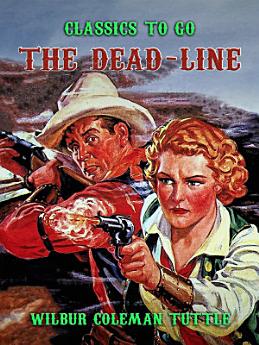
Excerpt: "Jack Hartwell's place was not of sufficient importance in Lo Lo Valley to be indicated by a brand name. It was a little four-room, rough-lumber and tar-paper shack, half buried in a clump of cottonwoods on the bank of Slow Elk Creek. The house had been built several years before by a man named Morgan, who had the mistaken idea that a nester might be welcome on the Lo Lo range. He had moved in quietly, built his shack, and—then the riders from Marsh Hartwell's Arrow outfit had seen his smoke. Whether or not Marsh Hartwell legally owned the property made no difference; he claimed it. And few men cared to dispute Marsh Hartwell. At any rate, it was proved that a nester was not welcome on the Arrow. It was an August afternoon. Only a slight breeze moved the dry leaves of the cottonwoods, and the air was resonant with the hum of insects. Molly Hartwell, Jack Hartwell's wife, stood on the unshaded front steps of the house, looking down across the valley, which was hazy with the heat waves. Mrs. Hartwell was possibly twenty years of age, tall, slender; a decided brunette of the Spanish type, although there was no Spanish blood in her ancestry. She was the kind of woman that women like to say mean things about; and try to make themselves believe them. The married men of the Lo Lo mentally compared her with their women-folk; while the single men, most of them bashful, hard-riding cowpunchers, avoided her, and hoped she'd be at the next dance."
Excerpt: "Jack Hartwell's place was not of sufficient importance in Lo Lo Valley to be indicated by a brand name. It was a little four-room, rough-lumber and tar-paper shack, half buried in a clump of cottonwoods on the bank of Slow Elk Creek. The house had been built several years before by a ma...
Discover more
About the author
Wilbur Coleman Tuttle, born in 1898 in a small Midwestern town, emerged as a literary maverick whose works have left an indelible mark on 20th-century American literature. Tuttle's early life was steeped in the rich oral traditions of his community, which profoundly influenced his narrative style. After serving in World War I, he returned with a sharpened perspective on human nature and societal constructs, themes that would permeate his writing.Tuttle's literary career took off in the 1920s, a period marked by social upheaval and the Roaring Twenties' cultural dynamism. His works often explored the complexities of identity, morality, and the American Dream, resonating deeply with readers navigating the rapidly changing social landscape. Known for his sharp wit and incisive social commentary, Tuttle was both celebrated and controversial. His candid critiques of societal norms and his unflinching portrayal of taboo subjects frequently sparked public debate and censorship battles.A contemporary of F. Scott Fitzgerald and Ernest Hemingway, Tuttle's influence on modernist literature is undeniable. His pioneering use of unreliable narrators and fragmented narrative structures prefigured techniques later popularized by postmodern writers. Tuttle was also a vocal advocate for civil rights and gender equality, embedding progressive ideas within his works long before they gained mainstream acceptance.Despite his passing in 1975, Tuttle's legacy endures through his profound impact on literary form and social discourse, inspiring generations of writers to challenge conventions and explore the depths of human experience.
Wilbur Coleman Tuttle, born in 1898 in a small Midwestern town, emerged as a literary maverick whose works have left an indelible mark on 20th-century American literature. Tuttle's early life was steeped in the rich oral traditions of his community, which profoundly influenced his narrative style...
Rate this ebook
Tell us what you think.
Reading information
Smartphones and tablets
Install the Google Play Books app for Android and iPad/iPhone. It syncs automatically with your account and allows you to read online or offline wherever you are.
Laptops and computers
You can listen to audiobooks purchased on Google Play using your computer's web browser.
eReaders and other devices
To read on e-ink devices like Kobo eReaders, you'll need to download a file and transfer it to your device. Follow the detailed Help Center instructions to transfer the files to supported eReaders.