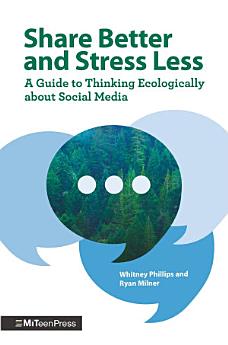
Share Better and Stress Less: A Guide to Thinking Ecologically about Social Media
About this ebook
We know that pollution damages our physical environments—but what about the digital landscape? Touching on everything from goat memes gone wrong to conflict in group chats to the sometimes unexpected side effects of online activism, this lively guide to media literacy draws on ecological, social justice, and storytelling frameworks to help readers understand how information pollution spreads and why. It also helps them make sense of the often stressful and strange online world. Featuring a hyperconnected cast of teens and their social-media shenanigans, reader-friendly text tackles the thorny topic of internet ethics while empowering—and inspiring—young readers to weave a safe, secure, and inclusive digital world. Readers are invited to delve further into the subject with the help of comprehensive source notes and a bibliography in the back matter.
Discover more
About the author
Whitney Phillips, PhD, is an assistant professor in the School of Journalism and Communication at the University of Oregon, with research interests in political communication, media history, and online ethics. She is the author of This Is Why We Can't Have Nice Things: Mapping the Relationship Between Online Trolling and Mainstream Culture and the coauthor, with Ryan M. Milner, of The Ambivalent Internet: Mischief, Oddity, and Antagonism Online and You Are Here: A Field Guide for Navigating Polarized Speech, Conspiracy Theories, and Our Polluted Media Landscape. Share Better and Stress Less: A Guide to Thinking Ecologically about Social Media is her first book for young adults. Whitney Phillips lives in Oregon.
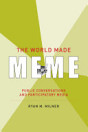
Ryan M. Milner is an associate professor and the department chair of communication at the College of Charleston. He studies internet culture, including everything from funny GIFs to Twitter debates to large-scale propaganda campaigns. He is the author of The World Made Meme: Public Conversations and Participatory Media and, with Whitney Phillips, The Ambivalent Internet: Mischief, Oddity, and Antagonism Online and You Are Here: A Field Guide for Navigating Polarized Speech, Conspiracy Theories, and Our Polluted Media Landscape. Share Better and Stress Less: A Guide to Thinking Ecologically about Social Media is his first book for young adults. Ryan M. Milner lives in South Carolina.