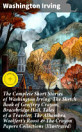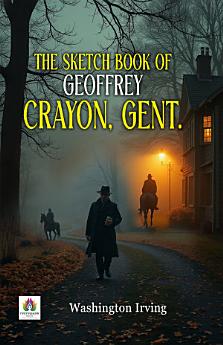
The Sketch Book of Geoffrey Crayon, Gent.
About this ebook
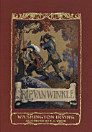
The collection features some of Irving's most iconic tales, including the beloved classics Rip Van Winkle and The Legend of Sleepy Hollow. In Rip Van Winkle, Irving tells the story of a man who, after a long nap in the Catskill Mountains, awakens to a transformed post-Revolutionary America. This narrative reflects on the themes of change, nostalgia, and the passage of time, encapsulating the spirit of a nation in flux. The Legend of Sleepy Hollow, with its memorable character Ichabod Crane and the haunting figure of the Headless Horseman, blends humor and horror, revealing the cultural folklore that permeates the American landscape.
In addition to these narratives, The Sketch Book is replete with charming essays that capture the pastoral beauty of the American countryside and evoke a sense of wonder about the nation’s landscapes and traditions. Irving’s prose elegantly describes the natural world, infusing the reader with a romantic appreciation for the scenery and an acknowledgment of its cultural significance. His character sketches of local inhabitants reveal a nuanced understanding of American identity and social customs, highlighting both the quaintness and complexities of life in the post-colonial era.
The book also offers insightful reflections on themes such as nostalgia, national identity, and the impact of European culture on American life. Irving’s humor, wit, and gentle satire shine through in his writing, providing readers with a vivid sense of place and time. The narratives are often infused with a dreamy quality, representing not only the physical landscapes of America but also its imaginative potential.
The Sketch Book of Geoffrey Crayon, Gent. is a cornerstone of American Romanticism and a hallmark of the emerging American literary voice. Irving's pioneering work influenced a generation of writers, establishing the foundation for American folklore and narrative traditions. Readers today will appreciate this collection as both a historical document and a timeless examination of American culture, making it essential reading for enthusiasts of early American literature and those exploring the roots of national storytelling.