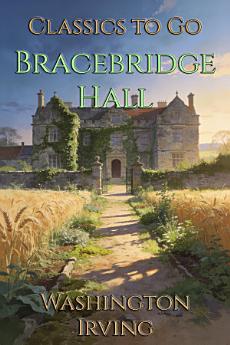
Bracebridge Hall: Restored Classics to Go Edition
About this ebook
Discover more
About the author
Washington Irving (1783–1859) was one of the first American writers to win lasting admiration on both sides of the Atlantic, helping define a distinctly literary voice for the young United States. Born in New York City to a prosperous merchant family, he studied law but was drawn early to satire, storytelling, travel, and the pleasures of observation. His career took him from journalism and humorous essays to diplomatic service abroad, where long stretches in England and Europe deepened his fascination with history, folklore, and the old-world manners that shaped much of his writing. Irving's greatest achievement was to blend wit, sentiment, and narrative charm in prose that felt both elegant and accessible, creating memorable sketches, legends, and portraits of American and European life that helped establish the short story and the literary sketch as respected forms. His work often explores nostalgia, the contrast between old traditions and modern change, the quirks of human character, and the way places become haunted by memory and imagination. These themes still feel fresh today in a world equally preoccupied with identity, heritage, and the pace of social change. Irving's legacy endures in his graceful style, his gift for atmosphere, and his role as a cultural bridge between America and Europe. Readers who enjoy witty prose, historical settings, gentle humor, and stories shaped by folklore and reflection will find him especially rewarding.