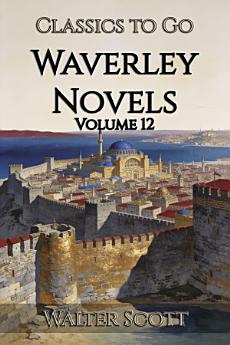
Waverley Novels: Restored Classics to Go Edition
About this ebook
Discover more
About the author
Sir Walter Scott was born in Edinburgh in 1771 and grew up between the city and the Scottish Borders, where the landscapes, legends, and history of his youth left a lasting mark on his imagination. Trained as a lawyer, he first made his name as a poet and translator before turning to prose, where he would help shape the modern historical novel. His fiction and poetry drew richly on Scotland's past, blending adventure, romance, political change, and vivid local detail into stories that felt both entertaining and deeply rooted in history. Scott's greatest achievement was his ability to make the past seem alive and morally complex, showing how ordinary lives are shaped by larger social upheavals, shifting loyalties, and the pressure of tradition meeting modernity. His work often explores identity, national memory, class conflict, and the tension between old customs and new realities—concerns that still feel strikingly relevant in a world grappling with heritage, change, and belonging. Though he faced financial troubles later in life, he continued writing with remarkable energy and influence, and his legacy can be felt in generations of historical fiction that followed. Today, Scott remains essential reading for anyone interested in the origins of the historical novel, the cultural imagination of Scotland, or stories that combine dramatic action with thoughtful reflection on history's human cost. Readers who enjoy sweeping narratives, richly evoked settings, and the meeting of romance and realism are especially likely to find him rewarding.