Guy Mannering, or, the Astrologer: Restored Classics to Go Edition
About this ebook
Discover more
About the author
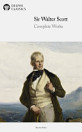
Sir Walter Scott, born in Edinburgh in 1771 and raised amid the border traditions of Scotland, became one of the great shaping forces of modern historical fiction. Trained as a lawyer but drawn irresistibly to literature, he first made his mark as a poet before turning to the novels that would secure his lasting fame, while also working as a collector of songs, a translator, and a shaper of national memory. His fiction helped define the historical novel as a genre, blending vivid storytelling with richly observed settings, memorable characters, and a keen sense of how private lives are shaped by public events. Across his work, Scott explored themes of loyalty, identity, social change, inheritance, and the tension between old traditions and a rapidly modernizing world, giving readers stories that feel both rooted in the past and strikingly current. He was especially gifted at capturing regional speech, landscape, and custom, making history feel lived rather than merely recounted. His influence reaches far beyond his own era, inspiring generations of novelists and helping establish the idea that fiction can illuminate a nation's character as well as individual experience. Today, Scott remains relevant for readers interested in the origins of the historical novel, the complexities of cultural identity, and the ways communities remember themselves. Readers who enjoy sweeping narratives, atmospheric settings, and stories where history and human drama are deeply entwined will find him especially rewarding.