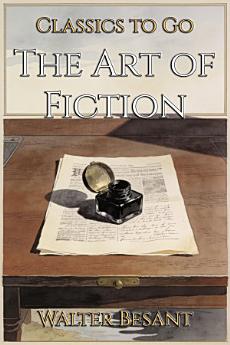
The Art of Fiction: Restored Classics to Go Edition

· Otbebookpublishing
Ebook
48
Pages
Eligible

About this ebook

Walter Besant's meditation on fiction begins with a spirited claim: the novel is a true fine art, equal in dignity to painting, sculpture, music, and poetry. Yet he also insists that fiction is not mere inspiration alone; it has laws, demands study, and rewards natural talent only when craft and observation are joined. Against a public that dismisses novelists as entertainers rather than serious artists, thinkers, or even statesmen, he argues that fiction deserves the same respect as any major art form. Besant then defines the novelist's task: to reveal men and women in all their contradictions, passions, and daily struggles, making ordinary life vivid, moving, and morally significant. Fiction's deepest power lies in sympathy, its ability to awaken understanding of hidden suffering and human dignity across class and circumstance. To achieve this, the writer must observe keenly, select rigorously, and build characters from lived truth, allowing them to emerge through speech and action rather than explanation. The result is an art of realism, discipline, and endless discovery into human nature. This edition has been fully restored with modern typesetting, custom cover design.
Walter Besant's meditation on fiction begins with a spirited claim: the novel is a true fine art, equal in dignity to painting, sculpture, music, and poetry. Yet he also insists that fiction is not mere inspiration alone; it has laws, demands study, and rewards natural talent only when craft and ...

About the author

Walter Besant was an English novelist, essayist, and reform-minded man of letters whose career reflected both Victorian energy and a deep concern for social justice. Born in 1836 and educated at Christ's College, Cambridge, he first worked outside literature before turning to writing, eventually becoming one of the most prolific and widely read authors of his time. He achieved lasting success through novels that combined vivid storytelling with careful observation of urban life, class division, poverty, and the changing moral landscape of modern society, and he also became an influential critic and advocate for the professional standing of writers. His essays on fiction helped shape debates about what novels could and should do, defending imaginative freedom while insisting that literature remain morally and socially engaged. Besant's work often returns to the lives of ordinary people, the pressures of London, and the responsibilities of the privileged toward the vulnerable, themes that still feel urgent in a world marked by inequality, rapid change, and questions about the social purpose of art. His legacy lies not only in his own fiction but in his role as a public intellectual who believed literature should matter beyond the page. Readers who enjoy socially conscious storytelling, Victorian realism, and thoughtful reflection on the craft and value of fiction will find him especially rewarding.
Walter Besant was an English novelist, essayist, and reform-minded man of letters whose career reflected both Victorian energy and a deep concern for social justice. Born in 1836 and educated at Christ's College, Cambridge, he first worked outside literature before turning to writing, eventually ...

Rate this ebook

Tell us what you think.

Reading information

Smartphones and tablets
Install the Google Play Books app for Android and iPad/iPhone. It syncs automatically with your account and allows you to read online or offline wherever you are.
Laptops and computers
You can listen to audiobooks purchased on Google Play using your computer's web browser.
eReaders and other devices
To read on e-ink devices like Kobo eReaders, you'll need to download a file and transfer it to your device. Follow the detailed Help Center instructions to transfer the files to supported eReaders.