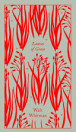
Leaves of Grass: Demanding Ebook Book
About this ebook
Whitman’s free verse poetry reflects a deep love for humanity and the natural world, often celebrating the physical body, sensuality, and the interconnectedness of all life. His most famous poem, "Song of Myself," is an exuberant expression of the self, capturing the essence of what it means to be alive, self-aware, and part of a larger universe. The collection also includes meditations on love, death, and the cycles of life, making Whitman’s work both deeply personal and universal in scope.
Leaves of Grass stands as a monumental achievement in American literature, breaking away from traditional poetic forms and embracing a new, distinctly American voice. Whitman’s innovative use of language, rhythm, and imagery captures the spirit of his time, while his profound reflections on humanity resonate with readers across generations.
Readers are drawn to Leaves of Grass for its raw emotion, philosophical depth, and Whitman’s revolutionary vision of self-expression and freedom. It is a must-read for anyone interested in poetry, American history, or the exploration of the human experience in its most expansive and inclusive form.