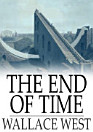
The End of Time: Restored Classics to Go Edition

· Otbebookpublishing
Ebook
36
Pages
Eligible

About this ebook

"The End of Time," featured in the March 1933 issue of Astounding Stories, is a captivating science fiction narrative that intricately weaves themes of time, existence, and the human experience. The story delves into the complexities and consequences of time travel, inviting readers to ponder the broader implications of altering time and the essence of reality itself. Through a compelling blend of adventure and philosophical inquiry, it challenges readers to reflect on how actions ripple through the fabric of existence. A pivotal moment in the narrative is marked by the exclamation, "We have won, June! We have won!" This declaration signifies a significant triumph or turning point, highlighting themes of hope, resilience, and the joy of overcoming obstacles. The character of June appears to play a crucial role, indicating a shared journey or deep connection with the speaker. This victory is both personal and potentially monumental, encapsulating the spirit of celebration amidst struggle. Overall, "The End of Time" promises an engaging experience for fans of speculative fiction, offering a unique exploration of philosophical themes through a thrilling narrative. It invites readers to consider the impact of human actions on time and reality, ensuring an intellectually stimulating journey that resonates beyond the confines of its pages. This edition has been fully restored with modern typesetting, custom cover design.
"The End of Time," featured in the March 1933 issue of Astounding Stories, is a captivating science fiction narrative that intricately weaves themes of time, existence, and the human experience. The story delves into the complexities and consequences of time travel, inviting readers to ponder the...

Discover more

About the author

Wallace West, an enigmatic figure in early 20th-century American literature, carved a niche for himself with his speculative fiction and thought-provoking narratives. Born in 1900 in a small Midwestern town, West's early life was marked by a voracious appetite for reading and a fascination with the burgeoning fields of science and technology. This curiosity would later permeate his writing, blending scientific plausibility with imaginative storytelling.West's literary career took off in the 1920s, a period ripe with technological optimism and existential dread. His works often grappled with themes of time, human destiny, and the ethical implications of scientific advancement. A contemporary of H.G. Wells and Aldous Huxley, West's narratives were distinguished by their philosophical depth and innovative ideas, influencing a generation of science fiction writers who followed.Despite his intellectual prowess, West was no stranger to controversy. His outspoken views on free will and determinism, as well as his critiques of industrial society, often put him at odds with mainstream thought. Yet, it was this very defiance that endeared him to a burgeoning countercultural movement, seeking alternatives to the status quo.West's influence extended beyond literature; he was a vocal advocate for scientific literacy and ethical responsibility in technological development. His legacy is a testament to the power of speculative fiction to challenge, inspire, and provoke thought, making him a pivotal figure in the landscape of American literature.

Wallace West, an enigmatic figure in early 20th-century American literature, carved a niche for himself with his speculative fiction and thought-provoking narratives. Born in 1900 in a small Midwestern town, West's early life was marked by a voracious appetite for reading and a fascination with t...

Rate this ebook

Tell us what you think.

Reading information

Smartphones and tablets
Install the Google Play Books app for Android and iPad/iPhone. It syncs automatically with your account and allows you to read online or offline wherever you are.
Laptops and computers
You can listen to audiobooks purchased on Google Play using your computer's web browser.
eReaders and other devices
To read on e-ink devices like Kobo eReaders, you'll need to download a file and transfer it to your device. Follow the detailed Help Center instructions to transfer the files to supported eReaders.