John Brown
Jul 2022 · DigiCat
Ebook
254
Pages
family_home
Eligible
info
About this ebook
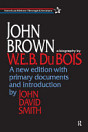
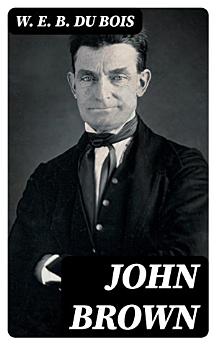
In "John Brown," W. E. B. Du Bois presents a compelling biography that merges historical narrative with philosophical introspection. The text delves into the life of the fierce abolitionist John Brown, situating his radical actions against the backdrop of America's tumultuous struggle over slavery. Du Bois employs a lyrical style, interweaving vivid descriptions with profound reflections on morality, justice, and the complexities of race in America. Written during a period when the American socio-political landscape was fraught with racial tensions, the work serves both as a tribute to Brown's revolutionary spirit and a critique of the inadequacies of his contemporaries. W. E. B. Du Bois, a prominent sociologist and civil rights activist, was profoundly influenced by his own experiences of racism and his relentless quest for racial equity. His scholarly background, particularly in social sciences, informed his exploration of Brown's unwavering commitment to abolition. Du Bois's engagement with historical figures like Brown reflects not only his admiration for their sacrifices but also his belief that profound change often arises from radical action. I highly recommend "John Brown" to readers seeking an insightful exploration of one of America's most controversial figures in the fight against slavery. Du Bois's masterful narrative not only provides historical context but also invites reflection on the enduring themes of justice and morality in contemporary society.
In "John Brown," W. E. B. Du Bois presents a compelling biography that merges historical narrative with philosophical introspection. The text delves into the life of the fierce abolitionist John Brown, situating his radical actions against the backdrop of America's tumultuous struggle over slaver...
Discover more
About the author
W. E. B. Du Bois, born William Edward Burghardt Du Bois, was a pioneering African American sociologist, historian, and civil rights activist, whose scholarly works and advocacy profoundly influenced the fight against racial discrimination in the early 20th century. Born on February 23, 1868, in Great Barrington, Massachusetts, Du Bois's academic brilliance led him to become the first African American to earn a Ph.D. from Harvard University in 1895. His intellectual legacy includes seminal works such as 'The Souls of Black Folk' (1903), a cornerstone in African American literature, and 'Black Reconstruction in America' (1935), which challenged the prevailing interpretations of the Reconstruction era. In 'John Brown' (1909), Du Bois offers a historical biography of the white abolitionist John Brown, portraying him as a militant crusader for racial equality. Du Bois's nuanced exploration of Brown's life and his participation in the failed Harper's Ferry raid underscores the complexities of racial politics and the potential for radical action. Du Bois's literary style combines rigorous scholarship with a passionate advocacy for civil rights, social justice, and African American empowerment. His work remains influential in the fields of sociology, African American studies, and U.S. history. Du Bois was a founder of the National Association for the Advancement of Colored People (NAACP) and continued his advocacy for civil rights until his death in Ghana on August 27, 1963.
W. E. B. Du Bois, born William Edward Burghardt Du Bois, was a pioneering African American sociologist, historian, and civil rights activist, whose scholarly works and advocacy profoundly influenced the fight against racial discrimination in the early 20th century. Born on February 23, 1868, in G...
Rate this ebook
Tell us what you think.
Reading information
Smartphones and tablets
Install the Google Play Books app for Android and iPad/iPhone. It syncs automatically with your account and allows you to read online or offline wherever you are.
Laptops and computers
You can listen to audiobooks purchased on Google Play using your computer's web browser.
eReaders and other devices
To read on e-ink devices like Kobo eReaders, you'll need to download a file and transfer it to your device. Follow the detailed Help Center instructions to transfer the files to supported eReaders.