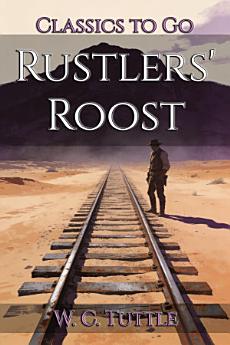
Rustlers' Roost: Restored Classics to Go Edition
About this ebook
Discover more
About the author
W. C. Tuttle, born Wilbur Coleman Tuttle in the American West, drew on the rough-and-tumble world of ranches, trails, and frontier towns to build a career as one of the most distinctive voices in early Western fiction. Working as a writer of short stories and novels during the first half of the twentieth century, he became widely appreciated for his lively storytelling, sharp humor, and vivid sense of place, capturing the tension between lawlessness and order in a changing West. His best-known writing helped define the popular Western tradition with its fast-moving action, colorful characters, and blend of adventure and comedy, while also revealing a keen interest in human folly, resilience, and the uneasy code of honor that shaped frontier life. Tuttle's work often explores themes that still resonate today: the clash between individual freedom and social responsibility, the making of identity under pressure, and the way myth and reality intertwine in stories about the American West. For modern readers, his fiction offers both entertainment and a window into the values and anxieties of an earlier America, reminding us how enduring the Western remains as a way of thinking about conflict, community, and survival. He remains significant as a craftsman who helped popularize the Western short story and gave it warmth, wit, and momentum, and readers who enjoy classic Westerns, spirited frontier tales, and stories with a strong sense of humor are especially likely to appreciate his work.