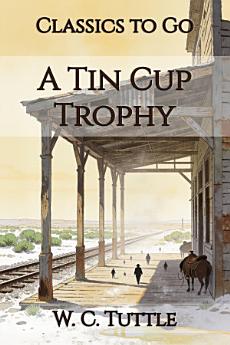
A Tin Cup Trophy: Restored Classics to Go Edition
About this ebook
Discover more
About the author
W. C. Tuttle, born Wilbur C. Tuttle, was an American writer whose career flourished during the early and middle decades of the twentieth century, especially in the vibrant world of pulp magazines and popular fiction. He made his name with fast-moving western stories that blended action, humor, and a keen ear for frontier speech, and he became widely admired for creating vivid characters who felt both larger than life and unmistakably human. Over the course of his career, Tuttle produced a substantial body of work that helped define the modern comic western, balancing gunplay and adventure with wit, irony, and an affectionate understanding of the West's myths and realities. His stories often explore themes of resourcefulness, loyalty, foolish pride, and the uneasy gap between reputation and reality, themes that still resonate today in a culture that continues to question heroes, celebrate resilience, and enjoy stories that can laugh even as they thrill. Tuttle's legacy lies in his ability to make western fiction feel lively, accessible, and sharply entertaining while preserving the rhythms of a vanished era; he remains an important figure for readers interested in the evolution of genre fiction and the American West as a literary landscape. Readers who enjoy humorous westerns, colorful storytelling, and classic pulp-era energy are especially likely to appreciate his work.




