About this ebook
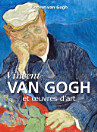
Vincent van Gogh (Groot-Zundert, Brabant, 1853 – Auvers-sur-Oise, 1890) La vie et l'oeuvre de Vincent van Gogh sont si étroitement liées qu'il est quasiment impossible de voir ses toiles sans y lire le récit de sa vie : van Gogh est en effet devenu l'incarnation du martyr souffrant et incompris de l'art moderne, l'emblème de l'artiste marginal. Le premier article, publié en 1890, donnait des détails sur la maladie de van Gogh. L'auteur de l'article voyait le peintre comme un «génie terrible et dément, souvent sublime, parfois grotesque, toujours à la limite du cas pathologique ». On sait très peu de choses sur l'enfance de Vincent. Á l'âge de 11 ans, il dut quitter le «nid humain », comme il le nommait lui-même, pour poursuivre sa scolarité dans divers internats. Le premier portrait nous montre van Gogh comme un jeune homme sérieux de dix-neuf ans. A cette époque, il avait déjà travaillé trois ans à La Haye et ensuite à Londres, dans la galerie Goupil & Co. En 1874, son amour pour Ursula Loyer s'acheva dans un désastre et un an plus tard, il fut transféré à Paris, contre son gré. A l'issue d'une discussion particulièrement violente au moment des fêtes de Noël 1881, son père, pasteur, ordonna à Vincent de partir. Avec cette ultime rupture, il abandonna son nom de famille, signant ses toiles d'un simple «Vincent ». Il se rendit à Paris et ne retourna jamais en Hollande. Á Paris il fit la connaissance de Paul Gauguin, dont il admirait énormément les peintures. L'autoportrait fut le principal sujet de Vincent de 1886 à 1888. En février 1888, Vincent quitta Paris pour Arles, et essaya de persuader Gauguin de le rejoindre. Les mois passés à attendre Gauguin furent les plus productifs de la vie de van Gogh. Il voulait montrer à son ami autant de toiles que possible et décorer la Maison jaune. Mais Gauguin ne partageait pas sa vision de l'art et rentra finalement à Paris. Le 7 janvier 1889, quatorze jours après son automutilation, Vincent quitta l'hôpital. Ignorant sa propre folie, il espérait se rétablir et oublier, mais en réalité, il y retourna deux fois cette année là. Au cours de son ultime séjour à l'hôpital, Vincent peignit des paysages dans lesquels il recréait le monde de son enfance. On dit que Vincent van Gogh se tira une balle dans la tempe dans un champ, mais décida de rentrer à l'hôtel et de se coucher. Le propriétaire informa le Dr Gachet et son frère, Theo ; ce dernier décrivit les derniers instants de sa vie qui prit fin le 29 juillet 1890 : «Je voulais mourir. Mais j'étais assis à son chevet, lui promettant que nous allions le guérir. [...] », il répondit : «La tristesse durera toujours. »
Vincent van Gogh (Groot-Zundert, Brabant, 1853 – Auvers-sur-Oise, 1890) La vie et l'oeuvre de Vincent van Gogh sont si étroitement liées qu'il est quasiment impossible de voir ses toiles sans y lire le récit de sa vie : van Gogh est en effet devenu l'incarnation du martyr souffrant et incompris d...
Discover more
About the author
Vincent van Gogh was one of the great post-impressionist masters and, because of the power and accessibility of his work and the tragedy and dedication of his life, he became a legend as an artist. He was born on March 30, 1853 in the Netherlands.The son of a Dutch parson, he was largely self-taught as an artist. Ascetic and intensely spiritual, he viewed art as almost a religious vocation. He painted incessantly and left a vast volume of work but sold only one picture during his lifetime. In 1888, van Gogh went to Arles in search of the glowing sunlight, there breaking from the somber, earthbound realism of his early style to the brilliant color, passionate thick brushstrokes, and incredible joyousness of his later style. Some of these paintings include: The Yellow House, Bedroom in Arles, The red vineyard, and paul Gauguin's Armchair. Although he suffered a mental breakdown in his later years, he still went on to paint masterpieces like Starry Night and The Sower. On July 27, 1890 he is said to have shot himself. Many believe this was a suicide act, but others maintain it was accidental or that he was shot by neighboring kids with a "malfunctioning" gun. The gun was never found. His letters to his brother Theo are a moving and fascinating account of his working processes and the agony and drama of his daily life. Van Gogh was buried on July 30 in the municipal cemetery of Auvers-sur-Oise at a funeral attended by his brother, Theo van Gogh, who died six months later, on January 25, 1891. They are buried side by side.
Vincent van Gogh was one of the great post-impressionist masters and, because of the power and accessibility of his work and the tragedy and dedication of his life, he became a legend as an artist. He was born on March 30, 1853 in the Netherlands.The son of a Dutch parson, he was largely self-tau...
Rate this ebook
Tell us what you think.
Reading information
Smartphones and tablets
Install the Google Play Books app for Android and iPad/iPhone. It syncs automatically with your account and allows you to read online or offline wherever you are.
Laptops and computers
You can listen to audiobooks purchased on Google Play using your computer's web browser.
eReaders and other devices
To read on e-ink devices like Kobo eReaders, you'll need to download a file and transfer it to your device. Follow the detailed Help Center instructions to transfer the files to supported eReaders.