About this ebook
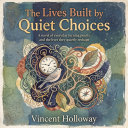
At forty-three, his days are filled with deadlines, unfinished conversations, long commutes, and the invisible exhaustion that modern adulthood often demands. But through a series of ordinary moments—a snowstorm, old letters found in storage boxes, evenings without television, quiet drives through small towns, and the simple ritual of waiting for a kettle to boil—Daniel slowly begins to notice the life he has been rushing past for years.
As his daughter prepares to leave for college and his marriage settles into a gentler, more honest rhythm, Daniel starts confronting the questions many people carry silently beneath routine: What does it mean to truly pay attention to a life? When did exhaustion become something to admire? And how many meaningful moments disappear while people are busy trying to become more successful, more efficient, more enough?
Written in a calm, reflective literary style, this novel explores marriage, family, memory, aging, emotional fatigue, and the quiet beauty hidden inside ordinary routines. With warmth, emotional honesty, and deeply human observations, this is a story about rediscovering presence in a distracted world.
For readers who appreciate thoughtful literary fiction centered on everyday life, relationships, emotional reflection, and the hidden meaning inside ordinary moments.
Ratings and reviews

- Flag inappropriate

- Flag inappropriate

- Flag inappropriate
About the author
Vincent Holloway is a contemporary literary fiction author whose work explores psychological isolation, fractured memory, masculinity, ambition, and the emotional cost of modern life. Known for his atmospheric prose and introspective characters, he writes novels that blend emotional realism with understated suspense.
Born in northern England and educated in London, Julian spent much of his early adult life working in industries far removed from literature, including corporate communications, architectural publishing, and investigative journalism. Those experiences later influenced the sharply observant tone of his fiction, where professional success often masks emotional exhaustion and personal disconnection.
Unlike many authors associated with commercial literary fiction, Julian developed his audience independently through digital publishing platforms, particularly Google Play Books, where his novels gained attention for their cinematic pacing and emotionally layered narratives. Readers frequently compare his work to slow-burning psychological dramas that prioritize atmosphere and character over spectacle.
His writing is heavily influenced by urban loneliness, abandoned coastal towns, late-night conversations, and the fragile relationship between memory and identity. Across his novels, recurring themes include emotional inheritance, quiet regret, and the tension between reinvention and self-destruction.
Julian writes primarily at night from a small studio lined with annotated manuscripts, old maps, and vintage cassette recordings. He is known for revising obsessively by hand before transferring final drafts to digital form.