關於本電子書
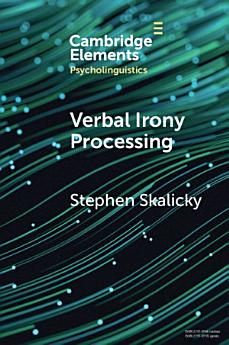
Ironic language is a salient reminder that speakers of all languages do not always mean what they say. While ironic language has captured the attention of theorists and scholars for centuries, it is only since the 1980s that psycholinguistic methods have been employed to investigate how readers and hearers detect, process, and comprehend ironic language. This Element reviews the foundational definitions, theories, and psycholinguistic models of ironic language, covering key questions such as the distinction between literal and ironic meaning, the role of contextual information during irony processing, and the cognitive mechanisms involved. These key questions continue to motivate new studies and methodological innovations, providing ample opportunity for future researchers who wish to continue exploring how ironic language is processed and understood.
Ironic language is a salient reminder that speakers of all languages do not always mean what they say. While ironic language has captured the attention of theorists and scholars for centuries, it is only since the 1980s that psycholinguistic methods have been employed to investigate how readers a...
為這本電子書評分
歡迎提供意見。
閱讀資訊
智慧型手機與平板電腦
筆記型電腦和電腦
你可以使用電腦的網路瀏覽器聆聽你在 Google Play 購買的有聲書。
電子書閱讀器與其他裝置
如要在 Kobo 電子閱讀器這類電子書裝置上閱覽書籍,必須將檔案下載並傳輸到該裝置上。請按照說明中心的詳細操作說明,將檔案傳輸到支援的電子閱讀器上。


