Táto e‑kniha
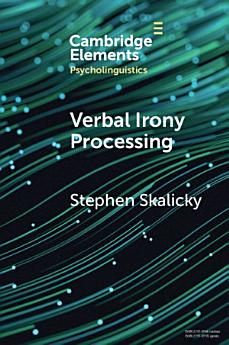
Ironic language is a salient reminder that speakers of all languages do not always mean what they say. While ironic language has captured the attention of theorists and scholars for centuries, it is only since the 1980s that psycholinguistic methods have been employed to investigate how readers and hearers detect, process, and comprehend ironic language. This Element reviews the foundational definitions, theories, and psycholinguistic models of ironic language, covering key questions such as the distinction between literal and ironic meaning, the role of contextual information during irony processing, and the cognitive mechanisms involved. These key questions continue to motivate new studies and methodological innovations, providing ample opportunity for future researchers who wish to continue exploring how ironic language is processed and understood.
Ironic language is a salient reminder that speakers of all languages do not always mean what they say. While ironic language has captured the attention of theorists and scholars for centuries, it is only since the 1980s that psycholinguistic methods have been employed to investigate how readers a...
Ohodnoťte túto elektronickú knihu
Povedzte nám svoj názor.
Informácie o dostupnosti
Smartfóny a tablety
Nainštalujte si aplikáciu Knihy Google Play pre Android a iPad/iPhone. Automaticky sa synchronizuje s vaším účtom a umožňuje čítať online aj offline, nech už ste kdekoľvek.
Laptopy a počítače
Audioknihy zakúpené v službe Google Play môžete počúvať prostredníctvom webového prehliadača v počítači.
Čítačky elektronických kníh a ďalšie zariadenia
Ak chcete tento obsah čítať v zariadeniach využívajúcich elektronický atrament, ako sú čítačky e‑kníh Kobo, musíte stiahnuť príslušný súbor a preniesť ho do svojho zariadenia. Pri prenose súborov do podporovaných čítačiek e‑kníh postupujte podľa podrobných pokynov v centre pomoci.


