මෙම ඉ-පොත ගැන
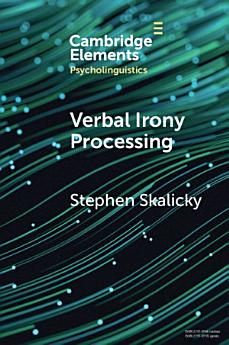
Ironic language is a salient reminder that speakers of all languages do not always mean what they say. While ironic language has captured the attention of theorists and scholars for centuries, it is only since the 1980s that psycholinguistic methods have been employed to investigate how readers and hearers detect, process, and comprehend ironic language. This Element reviews the foundational definitions, theories, and psycholinguistic models of ironic language, covering key questions such as the distinction between literal and ironic meaning, the role of contextual information during irony processing, and the cognitive mechanisms involved. These key questions continue to motivate new studies and methodological innovations, providing ample opportunity for future researchers who wish to continue exploring how ironic language is processed and understood.
Ironic language is a salient reminder that speakers of all languages do not always mean what they say. While ironic language has captured the attention of theorists and scholars for centuries, it is only since the 1980s that psycholinguistic methods have been employed to investigate how readers a...
මෙම ඉ-පොත අගයන්න
ඔබ සිතන දෙය අපට කියන්න.
කියවීමේ තොරතුරු
ස්මාර්ට් දුරකථන සහ ටැබ්ලට්
Android සහ iPad/iPhone සඳහා Google Play පොත් යෙදුම ස්ථාපනය කරන්න. එය ඔබේ ගිණුම සමඟ ස්වයංක්රීයව සමමුහුර්ත කරන අතර ඔබට ඕනෑම තැනක සිට සබැඳිව හෝ නොබැඳිව කියවීමට ඉඩ සලසයි.
ලැප්ටොප් සහ පරිගණක
ඔබට ඔබේ පරිගණකයේ වෙබ් බ්රව්සරය භාවිතයෙන් Google Play මත මිලදී ගත් ශ්රව්යපොත්වලට සවන් දිය හැක.
eReaders සහ වෙනත් උපාංග
Kobo eReaders වැනි e-ink උපාංග පිළිබඳ කියවීමට, ඔබ විසින් ගොනුවක් බාගෙන ඔබේ උපාංගයට එය මාරු කිරීම සිදු කළ යුතු වේ. ආධාරකරු ඉ-කියවනයට ගොනු මාරු කිරීමට විස්තරාත්මක උදවු මධ්යස්ථාන උපදෙස් අනුගමනය කරන්න.


