Információk az e-könyvről
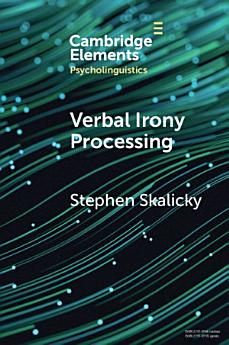
Ironic language is a salient reminder that speakers of all languages do not always mean what they say. While ironic language has captured the attention of theorists and scholars for centuries, it is only since the 1980s that psycholinguistic methods have been employed to investigate how readers and hearers detect, process, and comprehend ironic language. This Element reviews the foundational definitions, theories, and psycholinguistic models of ironic language, covering key questions such as the distinction between literal and ironic meaning, the role of contextual information during irony processing, and the cognitive mechanisms involved. These key questions continue to motivate new studies and methodological innovations, providing ample opportunity for future researchers who wish to continue exploring how ironic language is processed and understood.
Ironic language is a salient reminder that speakers of all languages do not always mean what they say. While ironic language has captured the attention of theorists and scholars for centuries, it is only since the 1980s that psycholinguistic methods have been employed to investigate how readers a...
E-könyv értékelése
Mondd el a véleményedet.
Olvasási információk
Okostelefonok és táblagépek
Telepítsd a Google Play Könyvek alkalmazást Android- vagy iPad/iPhone eszközre. Az alkalmazás automatikusan szinkronizálódik a fiókoddal, így bárhol olvashatsz online és offline állapotban is.
Laptopok és számítógépek
A Google Playen vásárolt hangoskönyveidet a számítógép böngészőjében is meghallgathatod.
E-olvasók és más eszközök
E-tinta alapú eszközökön (például Kobo e-könyv-olvasón) való olvasáshoz le kell tölteni egy fájlt, és átvinni azt a készülékre. A Súgó részletes utasításait követve lehet átvinni a fájlokat a támogatott e-könyv-olvasókra.


