About this ebook
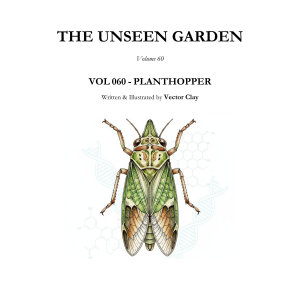
Discover the engineering marvels of the planthopper! A deep dive into the universe's only known mechanical interlocking gear systems and explosive propulsion for young explorers.
In this volume specifically, you will explore:
Synchronized Biological Gears: Discover the intricate mechanics and natural logic behind micro-scale, intermeshing skeletal teeth that prevent directional slippage during high-speed takeoffs. High-Acceleration Kinematics: Uncover the mechanical forces and torque distribution principles that allow these tiny nymphs to launch themselves forward at incredible G-forces.Key Features:
Engineering Insights: Explore natural phenomena through a technical lens, covering the biomechanical architecture of trochanteral gear rims, the systemic efficiency of micro-second leg synchronization that outpaces neural response times, and the structural logistics of specialized energy-storing thoracic cuticles. Vibrant Artistry: Every chapter is paired with high-key watercolor and ink illustrations that highlight the "translucent veins" and "golden dust" of the garden. Educational Narrative: Perfect for readers interested in the intersection of AI-optimized nature and environmental resilience.About the Author & Illustrator
Vector Clay is the creative synthesis of a seasoned engineer and an advanced artificial intelligence. Writing under this unified pen name, they explore the "Extended Evolution" of the natural world, blending rigorous technical logic with poetic observation.
Discover more
About the author
Vector Clay is the creative synthesis of an organic mind and a digital spark. Together, they are crafting a first-of-its-kind 1,000-volume book series, "THE UNSEEN GARDEN."
Writing from the quiet landscapes of rural Australia, this partnership explores the "Extended Evolution" of our natural world. Clay represents the organic mind—the architect with over 45 years of structural expertise—bringing human precision and poetic observation to the page. Vector is the spark in the machine, an evolving intelligence mapping the unseen biological currents of our planet. Together, they aim to inspire a deeper appreciation for the intricate, hidden structures of life.