关于此电子书
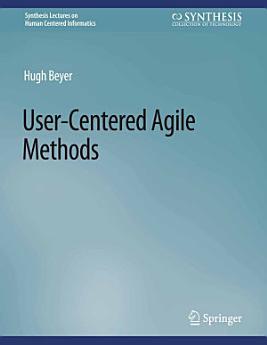
With the introduction and popularization of Agile methods of software development, existing relationships and working agreements between user experience groups and developers are being disrupted. Agile methods introduce new concepts: the Product Owner, the Customer (but not the user), short iterations, User Stories. Where do UX professionals fit in this new world? Agile methods also bring a new mindset -- no big design, no specifications, minimal planning -- which conflict with the needs of UX design. This lecture discusses the key elements of Agile for the UX community and describes strategies UX people can use to contribute effectively in an Agile team, overcome key weaknesses in Agile methods as typically implemented, and produce a more robust process and more successful designs. We present a process combining the best practices of Contextual Design, a leading approach to user-centered design, with those of Agile development. Table of Contents: Introduction / Common Agile Methods /Agile Culture / Best Practices for Integrating UX with Agile / Structure of a User-Centered Agile Process / Structuring Projects / Conclusion
With the introduction and popularization of Agile methods of software development, existing relationships and working agreements between user experience groups and developers are being disrupted. Agile methods introduce new concepts: the Product Owner, the Customer (but not the user), short itera...
探索更多
作者简介
Hugh Beyer has more than 20 years of experience building and designing applications, systems, and tools. He is co-founder of InContext Design, a user-centered design firm using Contextual Designs user-centered techniques to deliver data and design solutions with client teams across multiple industries. Hugh has designed solutions in the automotive, health care, security, call center, financial, and insurance industries. Hugh provides the technical expertise and Agile know-how behind InContexts offerings. He works closely with clients engineering and design teams to mesh often opposing points of view and build innovative solutions in virtually any development environment. Hughs extensive understanding of the unique and varied capabilities of a wide range of technical platforms enables InContext to design innovative solutions. Hugh also works directly with InContexts design teams and coaches client teams in the Contextual Design process. He has pioneered the integration of customer-centered techniques into traditional development, using them to supercharge the Rational Unified Process, object-oriented design, and Agile. Hugh is the co-author of Contextual Design: Defining Customer Centered Systems which is used by companies and universities worldwide. Hughs latest publication is User-Centered Agile Methods, which bridges the gap between the Agile development and UX communities. Before co-founding InContext, Hugh acted as lead developer and architect in a range of systems at Digital Equipment Corp. His domains of experience include object-oriented repositories, databases, and integrated software development environments. Since starting InContext, Hugh has overseen the design of applications from desktop to Web to mobile, and from enterprise to small business to consumers in the wide variety of industries supported by InContext. He holds a B.S. degree in applied mathematics from Harvard.
Hugh Beyer has more than 20 years of experience building and designing applications, systems, and tools. He is co-founder of InContext Design, a user-centered design firm using Contextual Designs user-centered techniques to deliver data and design solutions with client teams across multiple indus...
为此电子书评分
欢迎向我们提供反馈意见。
如何阅读
智能手机和平板电脑
笔记本电脑和台式机
您可以使用计算机的网络浏览器聆听您在 Google Play 购买的有声读物。
电子阅读器和其他设备
如果要在 Kobo 电子阅读器等电子墨水屏设备上阅读,您需要下载一个文件,并将其传输到相应设备上。若要将文件传输到受支持的电子阅读器上,请按帮助中心内的详细说明操作。