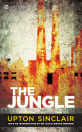
UPTON SINCLAIR Ultimate Collection: 30+ Books in One Volume
Dec 2023 · DigiCat
Ebook
5598
Pages
family_home
Eligible
info
About this ebook
The "Upton Sinclair Ultimate Collection" is a compendium that encapsulates the breadth of Sinclair's literary contributions, showcasing over 30 of his significant works. Renowned for his incisive social commentary and fervent advocacy for reform, Sinclair employed a realist literary style, often blending poignant narratives with stark realism to expose societal injustices. This collection includes masterpieces like "The Jungle," which unveils the grim truths of the meatpacking industry, and "Oil!", a critique of greed and moral corruption in America's industrial landscape. The volumes reflect the tumultuous socio-political climate of the early 20th century, making them not only engaging reads but also essential historical texts that evoke reflection on social issues that remain pertinent today. Upton Sinclair (1878-1968) was a prolific author and activist, whose writings were deeply influenced by his commitment to socialism and reform. His experiences as a laborer's advocate in Chicago inspired much of his early work, leading him to delve into topics of class struggle, labor rights, and corporate malfeasance. Sinclair's unyielding belief in the power of literature as a vehicle for change fueled his relentless exploration of American society's darker corners, making him a pivotal figure in American literature. For readers seeking a profound understanding of early 20th-century America, this expansive collection is indispensable. Sinclair's works not only provide insight into the historical context of his time but also resonate with contemporary issues of inequality and corporate ethics. Engaging with this collection offers a compelling pathway to understanding the struggles for social justice that continue to echo today.
The "Upton Sinclair Ultimate Collection" is a compendium that encapsulates the breadth of Sinclair's literary contributions, showcasing over 30 of his significant works. Renowned for his incisive social commentary and fervent advocacy for reform, Sinclair employed a realist literary style, often ...
Discover more
About the author
Upton Sinclair was an American writer and reformer born on September 20, 1878, in Baltimore, Maryland. He is perhaps best known for his novel 'The Jungle' (1906), an exposé of the appalling conditions in the meatpacking industry that led to significant reforms in food safety standards. Sinclair's prolific writing career spanned several decades, during which he published over 90 books in various genres. His work often focused on social justice issues, and he used his storytelling to advocate for progressive causes and highlight the struggles of the working class. Sinclair's involvement with the Socialist Party and his run for Congress as a Democrat are emblematic of his dedication to political activism. His literary contributions reflect a commitment to investigative journalism and naturalism, and he was awarded the Pulitzer Prize for Fiction in 1943 for 'Dragon's Teeth', a book in his 'World's End' series addressing the rise of Nazism. In the compendium 'UPTON SINCLAIR Ultimate Collection: 30+ Books in One Volume', readers can explore a broad range of his works that eloquently illustrate Sinclair's distinctive blend of narrative craft and social commentary. Despite the breadth of his writing, he remains a seminal figure in American literature, remembered both for his ambitious storytelling and his ambitious efforts to instigate reform through the written word. Sinclair passed away on November 25, 1968, leaving a legacy as one of the foremost muckrakers of the 20th century and a champion of the downtrodden.
Upton Sinclair was an American writer and reformer born on September 20, 1878, in Baltimore, Maryland. He is perhaps best known for his novel 'The Jungle' (1906), an exposé of the appalling conditions in the meatpacking industry that led to significant reforms in food safety standards. Sinclair's...
Rate this ebook
Tell us what you think.
Reading information
Smartphones and tablets
Install the Google Play Books app for Android and iPad/iPhone. It syncs automatically with your account and allows you to read online or offline wherever you are.
Laptops and computers
You can listen to audiobooks purchased on Google Play using your computer's web browser.
eReaders and other devices
To read on e-ink devices like Kobo eReaders, you'll need to download a file and transfer it to your device. Follow the detailed Help Center instructions to transfer the files to supported eReaders.