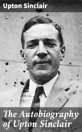
The Autobiography of Upton Sinclair: Restored Classics to Go Edition
About this ebook
Discover more
About the author
Upton Sinclair was a fiercely committed American writer, journalist, and reformer whose life spanned the upheavals of the late nineteenth and early twentieth centuries. Born in Baltimore in 1878 and later shaped by the struggles of poverty, labor unrest, and political idealism, he became one of the most outspoken literary voices of his era. Sinclair wrote with the conviction that fiction could expose injustice and help change society, and his career reflected that mission in everything from his journalism to his novels and political activism. He is best remembered for powerful works that revealed the harsh realities of industrial labor, corporate corruption, and social inequality, and for a body of writing that helped define the tradition of muckraking in American literature. Across his long career, he returned again and again to themes of exploitation, reform, and the possibility of a more humane society, making his work feel strikingly relevant in an age still wrestling with economic inequality, labor rights, and the influence of powerful institutions. His autobiographical writing also offers a vivid self-portrait of a man driven by conscience, ambition, and idealism, giving readers a direct window into the mind of a relentless crusader for justice. Sinclair's legacy endures because he reminds us that literature can be both art and public witness, and readers who are drawn to socially engaged fiction, American history, political struggle, or the life of a passionate reformer will find him especially rewarding.