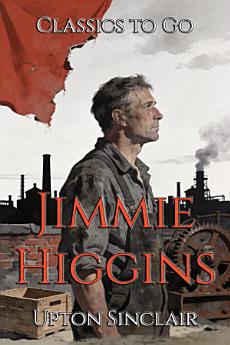
Jimmie Higgins: Restored Classics to Go Edition
About this ebook
Discover more
About the author
Upton Sinclair was an American novelist, journalist, and social reformer whose long life spanned the upheavals of the late nineteenth and early twentieth centuries, from the industrial age to the rise of mass politics and the modern welfare state. Born in Baltimore in 1878 and later drawn to New York and the circles of labor agitation and investigative writing, he built a career out of exposing the harsh realities hidden beneath American prosperity. Over more than six decades, he became one of the most prolific and influential writers of his era, producing novels, essays, and political works that attacked corruption, exploitation, and social inequality while arguing that ordinary people deserved dignity, fair wages, and humane treatment. His fiction often blends narrative momentum with moral urgency, placing workers, immigrants, and the poor at the center of stories about power, class conflict, and the struggle for justice. He is especially important for the way he made literature into a tool of public conscience, helping shape debates about labor rights, food safety, and the responsibilities of government. What keeps Sinclair relevant today is the clarity of his outrage and the persistence of the problems he described: economic exploitation, political manipulation, and the gap between public ideals and private greed. Readers interested in socially engaged fiction, labor history, or the roots of modern reform movements will find him especially rewarding, as will anyone drawn to novels that aim not only to tell a story but to change the world.