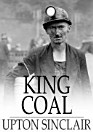
A Captain of Industry: Restored Classics to Go Edition
About this ebook
Discover more
About the author
Upton Sinclair was an American novelist, journalist, and social reformer whose life was shaped by a fierce determination to expose injustice and give voice to the powerless. Born in Baltimore in 1878 and later associated with the progressive movements of the early twentieth century, he built a career out of blending fiction with investigation, using his writing as a tool for reform as much as for storytelling. Across a remarkably productive career, he produced dozens of novels, essays, and political works that brought public attention to labor exploitation, corruption, poverty, and the hidden costs of industrial capitalism. His writing often combined moral urgency with vivid realism, and he became one of the most influential muckraking authors in American literature. The central concerns of his work—economic inequality, corporate abuse, the struggle for dignity, and the conflict between individual conscience and social power—remain strikingly relevant today, especially in an era still wrestling with labor rights, wealth disparity, and public accountability. Sinclair's legacy lies not only in his literary output but in his belief that books can awaken readers to injustice and help shape a better society. Readers who are drawn to socially engaged fiction, historical reform movements, or stories that challenge power structures will find his work especially rewarding.