Under Fire
2016年8月 · Casemate Classic War Fiction 第 4 本图书 · Open Road Media
电子书
206
页
family_home
符合条件
info
关于此电子书
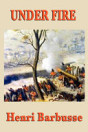
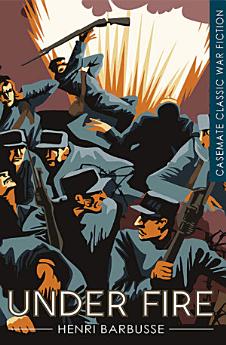
The original translation of one of the first World War I novels—at first criticized for its harsh realism but now celebrated as a classic.
Set in early 1916, Under Fire follows the point of view of an unnamed foot soldier in a squad of French volunteers on the western front. It combines soaring, poetic descriptions with the mundane, messy, human reality of soldiers living in their own filth. Gradually, names and features are given to the men who emerge from the mud, from the dignified leader, Corporal Bertrand, to the ebullient Volpatte and the obsessive Cocon.
Intermingled with details of how the men navigate daily life in the putrefied atmosphere of the trenches is a political, pacifist argument about this war and war more generally. Caught up in events they cannot control, the soldiers go through their daily routines: foraging for food, reading letters from wives and mothers, drinking, fighting in battle, and, in harrowing scenes for which the novel is noted, discovering dead bodies in advanced stages of decomposition. Through it all, they talk about the war, attempting to make sense of the altered world in which they find themselves.
Under Fire (originally published in French as Le Feu) drew criticism at the time of its publication for its brutal detail, but went on to win the Prix Goncourt, a prestigious literary award that Henri Barbusse—a World War I soldier who wrote from vivid, painful experience—shares with renowned authors such as Marcel Proust and Marguerite Duras. Here, the original translation by William Fitzwater Wray, which first appeared in 1917, captures both the intensity of the story and the essence of the era. A glossary is also provided.
The original translation of one of the first World War I novels—at first criticized for its harsh realism but now celebrated as a classic.
Set in early 1916, Under Fire follows the point of view of an unnamed foot soldier in a squad of French volunteers on the western front. It combines soaring,...
探索更多
作者简介
Henri Barbusse (1873–1935) enlisted in the French army in 1914 and served against Germany in World War I. Invalided out of the army three times, he served in the war for seventeen months, until the end of 1915, when he was permanently moved into a clerical position due to pulmonary damage, exhaustion, and dysentery. Barbusse first came to fame with the 1917 publication of his novel Le Feu (translated by William Fitzwater Wray as Under Fire), which was based on his experiences during World War I. By this time, Barbusse had become a pacifist, and his writing demonstrated his growing hatred of militarism. He then moved to Moscow for a time, married a Russian woman, and joined the French Communist Party.
Henri Barbusse (1873–1935) enlisted in the French army in 1914 and served against Germany in World War I. Invalided out of the army three times, he served in the war for seventeen months, until the end of 1915, when he was permanently moved into a clerical position due to pulmonary damage, exhaus...
为此电子书评分
欢迎向我们提供反馈意见。
如何阅读
智能手机和平板电脑
笔记本电脑和台式机
您可以使用计算机的网络浏览器聆听您在 Google Play 购买的有声读物。
电子阅读器和其他设备
如果要在 Kobo 电子阅读器等电子墨水屏设备上阅读,您需要下载一个文件,并将其传输到相应设备上。若要将文件传输到受支持的电子阅读器上,请按帮助中心内的详细说明操作。