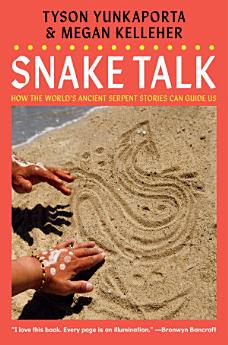
Snake Talk: How the World’s Ancient Serpent Stories Can Guide Us
About this ebook
The Serpent in Aboriginal stories is both creator and destroyer, dwelling between physical and spiritual worlds, between story and history, weaving across earth and sky. The Great Dividing Range is the body of the Serpent, but he does not separate us—he brings us together.
What if this ancient Lore can be found everywhere? What if the stories of the Basilisk, Wyvern, Naga, Quetzalcoatl and many other mythic Serpents also contain the knowledge we need in this moment of crisis?
In Snake Talk, Tyson Yunkaporta and Megan Kelleher follow these stories around the world from Kathmandu to Aotearoa, from Mesoamerica to China to northern Europe. They ask how we can align our human gifts with the patterns of creation, seeking answers from makers who pay homage to the Serpent in images and objects.
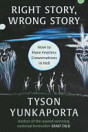
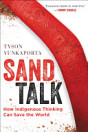
This exhilarating book—like Sand Talk and Right Story, Wrong Story—shines an Indigenous light on contemporary society. Snake Talk invites us to see the world through the eye of the Serpent.
Discover more
About the author
Tyson Yunkaporta is an academic, arts critic, researcher, and member of the Apalech Clan in far north Queensland. He is the author of Sand Talk: How Indigenous Thinking Can Save the World, winner of the Small Publishers’ Adult Book of the Year at the Australian Book Industry Awards and the Ansari Institute’s Randa and Sherif Nasr Book Prize on Religion & the World, awarded to an author who explores global issues using Indigenous perspectives. He carves traditional tools and weapons and also works as a senior lecturer in Indigenous Knowledges at Deakin University in Melbourne. He lives in Melbourne, Australia.
Megan Kelleher belongs to the Barada and Kapalbara peoples of Central Queensland and the branch of the Kelleher clan living in regional Victoria. She is currently undertaking her PhD at RMIT University in the School of Media and Communication and was honoured to be awarded one of RMIT's Vice Chancellor’s Indigenous Pre-Doctoral Fellowships in 2018. Megan is investigating whether the affordances of blockchain technology are culturally appropriate for Indigenous governance, and is undertaking this research as a core member of the Digital Ethnography Research Centre (DERC) and as a PhD Candidate within The ARC Centre of Excellence for Automated Decision-Making and Society (ADM+S). When she is not training to be an academic, Megan is a devoted mother of her three beautiful children, Eden, Diver and Onyx.