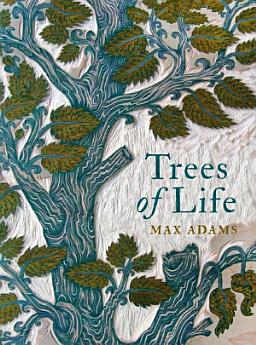
Trees of Life
មីនា 2021 · Princeton University Press
សៀវភៅអេឡិចត្រូនិច
272
ទំព័រ
family_home
មានសិទ្ធិ
info
អំពីសៀវភៅអេឡិចត្រូនិកនេះ
An informative, richly illustrated book about eighty of the world’s most important and remarkable trees
Our planet is home to some three trillion trees—roughly four hundred for every person on Earth. In Trees of Life, Max Adams selects, from sixty thousand extant species, eighty remarkable trees through which to celebrate the richness of humanity’s relationship with trees, woods, and forests.
In a sequence of informative and beautifully illustrated portraits, divided between six thematic sections, Adams investigates the trees that human cultures have found most useful across the world and ages: trees that yield timber and other materials of immense practical value, trees that bear edible fruits and nuts, trees that deliver special culinary ingredients and traditions, and trees that give us dyes, essences, and medicines. In a section titled “Supertrees,” Adams considers trees that have played a pivotal role in maintaining natural and social communities, while a final section, “Trees for the Planet,” looks at a group of trees so valuable to humanity that they must be protected at all costs from loss.
From the apple to the oak, the logwood to the breadfruit, and the paper mulberry to the Dahurian larch, these are trees that offer not merely shelter, timber, and fuel but also drugs, foods, and fibers. Trees of Life presents a plethora of fascinating stories about them.
An informative, richly illustrated book about eighty of the world’s most important and remarkable trees
Our planet is home to some three trillion trees—roughly four hundred for every person on Earth. In Trees of Life, Max Adams selects, from sixty thousand extant species, eighty remarkable trees...
អំពីអ្នកនិពន្ធ
Max Adams is the author of several books, including The Wisdom of Trees, The Little Book of Planting Trees, and In the Land of Giants. A teacher of the histories of woodland trees, Adams manages an area of woodland in County Durham. He has lived and worked in the northeast of England since 1993.
Max Adams is the author of several books, including The Wisdom of Trees, The Little Book of Planting Trees, and In the Land of Giants. A teacher of the histories of woodland trees, Adams manages an area of woodland in County Durham. He has lived and worked in the northeast of England since 1993.
វាយតម្លៃសៀវភៅអេឡិចត្រូនិកនេះ
ប្រាប់យើងអំពីការយល់ឃើញរបស់អ្នក។
អានព័ត៌មាន
ទូរសព្ទឆ្លាតវៃ និងថេប្លេត
ដំឡើងកម្មវិធី Google Play Books សម្រាប់ Android និង iPad/iPhone ។ វាធ្វើសមកាលកម្មដោយស្វ័យប្រវត្តិជាមួយគណនីរបស់អ្នក និងអនុញ្ញាតឱ្យអ្នកអានពេលមានអ៊ីនធឺណិត ឬគ្មានអ៊ីនធឺណិតនៅគ្រប់ទីកន្លែង។
កុំព្យូទ័រយួរដៃ និងកុំព្យូទ័រ
អ្នកអាចស្ដាប់សៀវភៅជាសំឡេងដែលបានទិញនៅក្នុង Google Play ដោយប្រើកម្មវិធីរុករកតាមអ៊ីនធឺណិតក្នុងកុំព្យូទ័ររបស់អ្នក។
eReaders និងឧបករណ៍ផ្សេងទៀត
ដើម្បីអាននៅលើឧបករណ៍ e-ink ដូចជាឧបករណ៍អានសៀវភៅអេឡិចត្រូនិក Kobo អ្នកនឹងត្រូវទាញយកឯកសារ ហើយផ្ទេរវាទៅឧបករណ៍របស់អ្នក។ សូមអនុវត្តតាមការណែនាំលម្អិតរបស់មជ្ឈមណ្ឌលជំនួយ ដើម្បីផ្ទេរឯកសារទៅឧបករណ៍អានសៀវភៅអេឡិចត្រូនិកដែលស្គាល់។