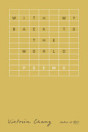
Tree of Knowledge: Poems
កក្កដា 2026 · លក់ដោយ Farrar, Straus and Giroux
សៀវភៅអេឡិចត្រូនិច
144
ទំព័រ
family_home
មានសិទ្ធិ
info
អំពីសៀវភៅអេឡិចត្រូនិកនេះ
FINALIST FOR THE NATIONAL BOOK AWARD FOR POETRY
A poet watches the limbs of a eucalyptus tree get sawed off: the image persists, refracting and recurring across poems of art, language, selfhood, memory, and loss.
Joan Mitchell said, When I talk about love, I mean loving a tree. When I talk about love, I mean loving where a tree used to be.
Men assess the eucalyptus tree growing on the poet’s street; a crane arrives. The sound of a chainsaw rings in the air and branches begin to fall. This tree-cutting haunts the poet and becomes the locus from which the rest of the collection spirals. It refracts across works by artists such as Pablo Picasso, Joan Mitchell, and Hilma af Klint, whose painting series lends the collection its title and who becomes a model for engaging with the world. At the core of the collection, the long poem “Eureka” examines the violent 1885 expulsion of Chinese Americans from the eponymous California town. Roving, evocative, and intricate, Tree of Knowledge is rooted in Victoria Chang’s crystalline voice and generous, probing gaze, and by certain images —trees, a hanging figure, a branch, fingertips, a briefcase—that resurface like apparitions.
A poet watches the limbs of a eucalyptus tree get sawed off: the image persists, refracting and recurring across poems of art, language, selfhood, memory, and loss.
Joan Mitchell said, When I talk about love, I mean loving a tree. When I talk about love, I mean loving where a tree used to be.
Men assess the eucalyptus tree growing on the poet’s street; a crane arrives. The sound of a chainsaw rings in the air and branches begin to fall. This tree-cutting haunts the poet and becomes the locus from which the rest of the collection spirals. It refracts across works by artists such as Pablo Picasso, Joan Mitchell, and Hilma af Klint, whose painting series lends the collection its title and who becomes a model for engaging with the world. At the core of the collection, the long poem “Eureka” examines the violent 1885 expulsion of Chinese Americans from the eponymous California town. Roving, evocative, and intricate, Tree of Knowledge is rooted in Victoria Chang’s crystalline voice and generous, probing gaze, and by certain images —trees, a hanging figure, a branch, fingertips, a briefcase—that resurface like apparitions.
FINALIST FOR THE NATIONAL BOOK AWARD FOR POETRY
A poet watches the limbs of a eucalyptus tree get sawed off: the image persists, refracting and recurring across poems of art, language, selfhood, memory, and loss.
Joan Mitchell said, When I talk about love, I mean loving a tree. When I talk abou...
អំពីអ្នកនិពន្ធ
Victoria Chang has written several books of poetry, including With My Back to the World and The Trees Witness Everything, and a nonfiction book, Dear Memory: Letters on Writing, Silence, and Grief. Her poetry collection OBIT was named a New York Times Notable Book; received the Los Angeles Times Book Prize, the Anisfield-Wolf Book Award, and the PEN/Voelcker Award; was longlisted for the National Book Award; and was named a finalist for the National Book Critics Circle Award and the Griffin International Poetry Prize. With My Back to the World received the Forward Prize for Best Collection of Poetry and was short-listed for the PEN/Jean Stein Award, the California Book Award, and the Kingsley Tufts Award. Chang has received a Guggenheim Fellowship, a National Endowment for the Arts Fellowship, and the Chowdhury Prize in Literature. She is the Bourne Chair in Poetry at Georgia Tech and the director of Poetry@Tech.
Victoria Chang has written several books of poetry, including With My Back to the World and The Trees Witness Everything, and a nonfiction book, Dear Memory: Letters on Writing, Silence, and Grief. Her poetry collection OBIT was named a New York Times Notable Book; received the Los Angeles Times ...
វាយតម្លៃសៀវភៅអេឡិចត្រូនិកនេះ
ប្រាប់យើងអំពីការយល់ឃើញរបស់អ្នក។
អានព័ត៌មាន
ទូរសព្ទឆ្លាតវៃ និងថេប្លេត
ដំឡើងកម្មវិធី Google Play Books សម្រាប់ Android និង iPad/iPhone ។ វាធ្វើសមកាលកម្មដោយស្វ័យប្រវត្តិជាមួយគណនីរបស់អ្នក និងអនុញ្ញាតឱ្យអ្នកអានពេលមានអ៊ីនធឺណិត ឬគ្មានអ៊ីនធឺណិតនៅគ្រប់ទីកន្លែង។
កុំព្យូទ័រយួរដៃ និងកុំព្យូទ័រ
អ្នកអាចស្ដាប់សៀវភៅជាសំឡេងដែលបានទិញនៅក្នុង Google Play ដោយប្រើកម្មវិធីរុករកតាមអ៊ីនធឺណិតក្នុងកុំព្យូទ័ររបស់អ្នក។
eReaders និងឧបករណ៍ផ្សេងទៀត
ដើម្បីអាននៅលើឧបករណ៍ e-ink ដូចជាឧបករណ៍អានសៀវភៅអេឡិចត្រូនិក Kobo អ្នកនឹងត្រូវទាញយកឯកសារ ហើយផ្ទេរវាទៅឧបករណ៍របស់អ្នក។ សូមអនុវត្តតាមការណែនាំលម្អិតរបស់មជ្ឈមណ្ឌលជំនួយ ដើម្បីផ្ទេរឯកសារទៅឧបករណ៍អានសៀវភៅអេឡិចត្រូនិកដែលស្គាល់។