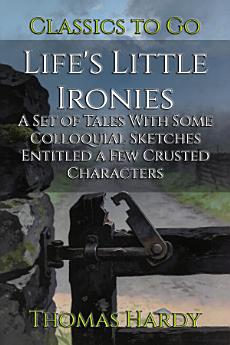
Life's Little Ironies: Restored Classics to Go Edition
About this ebook
Discover more
About the author
Thomas Hardy was born in 1840 in rural Dorset, England, a landscape that would shape both his imagination and his enduring reputation as one of the great chroniclers of provincial life. Trained first as an architect, he gradually turned to fiction and poetry, building a career that moved from social realism to a darker, more reflective vision of human fate. Over time he became one of the most important writers of the late Victorian era, admired for his ability to portray ordinary people with extraordinary sympathy while also confronting the pressures of class, convention, desire, and chance. His fiction and verse often explore the painful gap between human aspiration and the indifferent forces that govern life, yet they are equally rich in tenderness, irony, and a deep feeling for the natural world. Hardy's work remains strikingly relevant today because it speaks so clearly to modern anxieties about social limitation, emotional isolation, and the unpredictable turns of experience. He is significant not only as a master storyteller but also as a writer who expanded the moral and emotional range of English literature, giving dignity to overlooked lives and complexity to familiar struggles. Readers who appreciate psychologically nuanced fiction, powerful atmosphere, and thoughtful explorations of fate and resilience will find Hardy especially rewarding.