An American Tragedy: Restored Classics to Go Edition
About this ebook
Discover more
About the author
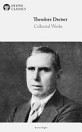
Theodore Dreiser was one of the most forceful and uncompromising voices in American literature, a writer whose own life of poverty, restless movement, and hard-earned observation helped shape his deep sympathy for people struggling against social and economic pressure. Born in 1871 in Indiana and raised in a large, troubled family, he knew early hardship, religion, and the anxieties of survival, experiences that later gave his fiction its rough honesty and moral seriousness. After working as a journalist, he turned to fiction and became a leading naturalist, depicting human beings as driven by desire, environment, and circumstance rather than by tidy notions of free will or virtue. His major novels and essays helped redefine American realism with their unsparing attention to ambition, sexuality, class, and the corrupting pull of wealth, and he became especially important for showing how modern life can trap ordinary people in systems larger than themselves. Dreiser's work remains relevant today because it still speaks to inequality, the seductions of success, and the painful gap between aspiration and reality. His legacy lies in his fearless refusal to idealize life, his sympathy for the vulnerable, and his influence on generations of writers who sought to tell the truth about American society. Readers who enjoy socially conscious fiction, psychological depth, and gritty portrayals of ambition and failure will find him especially rewarding.