The Very Last Interview
មេសា 2022 · New York Review of Books
សៀវភៅអេឡិចត្រូនិច
104
ទំព័រ
ឧបករណ៍
info
family_home
មានសិទ្ធិ
info
អំពីសៀវភៅអេឡិចត្រូនិកនេះ
In the spirit of his highly acclaimed and influential book Reality Hunger, David Shields has composed a mordantly funny, relentlessly self-questioning self-portrait based on questions that interviewers have asked him over forty years.
David Shields decided to gather every interview he’s ever given, going back nearly forty years. If it was on the radio or TV or a podcast, he transcribed it. He wasn’t sure what he was looking for, but he knew he wasn’t interested in any of his own answers. The questions interested him—approximately 2,700, which he condensed and collated to form twenty-two chapters focused on such subjects as Process, Childhood, Failure, Capitalism, Suicide, and Comedy. Then, according to Shields, “the real work began: rewriting and editing and remixing the questions and finding a through-line.”
The result is a lacerating self-demolition in which the author—in this case, a late-middle-aged white man—is strangely, thrillingly absent. As Chuck Klosterman says, “The Very Last Interview is David Shields doing what he has done dazzlingly for the past twenty-five years: interrogating his own intellectual experience by changing the meaning of what seems both obviously straightforward and obviously wrong.”
Shields’s new book is a sequel of sorts to his seminal Reality Hunger: A Manifesto, which Literary Hub recently named one of the most important books of the last decade. According to Kenneth Goldsmith, “Just when you think Shields couldn’t rethink and reinvent literature any further, he does it again. The Very Last Interview confirms Shields as the most dangerously important American writer since Burroughs.”
In the spirit of his highly acclaimed and influential book Reality Hunger, David Shields has composed a mordantly funny, relentlessly self-questioning self-portrait based on questions that interviewers have asked him over forty years.
David Shields decided to gather every interview he’s ever giv...
ស្វែងរកច្រើនទៀត
អំពីអ្នកនិពន្ធ
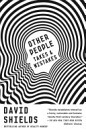
David Shields is the internationally bestselling author of more than twenty books, including Reality Hunger (recently named one of the most important books of the last decade by Lit Hub), The Thing About Life Is That One Day You’ll Be Dead (New York Times bestseller), Black Planet (finalist for the National Book Critics Circle Award), and Other People: Takes & Mistakes (NYTBR Editors’ Choice).
Nobody Hates Trump More Than Trump: An Intervention was published in 2018. The Trouble With Men: Reflections on Sex, Love, Marriage, Porn, and Power appeared in 2019.
James Franco’s film adaptation of I Think You’re Totally Wrong: A Quarrel, which Shields co-wrote and co-stars in, was released in 2017. Shields wrote, produced, and directed Lynch: A History, a 2019 documentary about Marshawn Lynch’s use of silence, echo, and mimicry as key tools of resistance.
A recipient of Guggenheim and NEA fellowships, a senior contributing editor of Conjunctions, and the Loren Douglas Milliman Distinguished Writer-in-Residence at the University of Washington in Seattle, Shields has published fiction and nonfiction in the New York Times Magazine, Harper’s, Esquire, Yale Review, Salon, Slate, Tin House, A Public Space, McSweeney’s, Believer, Huffington Post, Los Angeles Review of Books, and Best American Essays. His work has been translated into two dozen languages.
David Shields is the internationally bestselling author of more than twenty books, including Reality Hunger (recently named one of the most important books of the last decade by Lit Hub), The Thing About Life Is That One Day You’ll Be Dead (New York Times bestseller), Black Planet (finalist for t...
វាយតម្លៃសៀវភៅអេឡិចត្រូនិកនេះ
ប្រាប់យើងអំពីការយល់ឃើញរបស់អ្នក។
អានព័ត៌មាន
ទូរសព្ទឆ្លាតវៃ និងថេប្លេត
ដំឡើងកម្មវិធី Google Play Books សម្រាប់ Android និង iPad/iPhone ។ វាធ្វើសមកាលកម្មដោយស្វ័យប្រវត្តិជាមួយគណនីរបស់អ្នក និងអនុញ្ញាតឱ្យអ្នកអានពេលមានអ៊ីនធឺណិត ឬគ្មានអ៊ីនធឺណិតនៅគ្រប់ទីកន្លែង។
កុំព្យូទ័រយួរដៃ និងកុំព្យូទ័រ
អ្នកអាចស្ដាប់សៀវភៅជាសំឡេងដែលបានទិញនៅក្នុង Google Play ដោយប្រើកម្មវិធីរុករកតាមអ៊ីនធឺណិតក្នុងកុំព្យូទ័ររបស់អ្នក។
eReaders និងឧបករណ៍ផ្សេងទៀត
ដើម្បីអាននៅលើឧបករណ៍ e-ink ដូចជាឧបករណ៍អានសៀវភៅអេឡិចត្រូនិក Kobo អ្នកនឹងត្រូវទាញយកឯកសារ ហើយផ្ទេរវាទៅឧបករណ៍របស់អ្នក។ សូមអនុវត្តតាមការណែនាំលម្អិតរបស់មជ្ឈមណ្ឌលជំនួយ ដើម្បីផ្ទេរឯកសារទៅឧបករណ៍អានសៀវភៅអេឡិចត្រូនិកដែលស្គាល់។