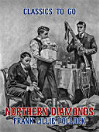
The Timber Treasure
ago 2021 · Otbebookpublishing
Libro electrónico
136
Páginas
family_home
Apto
info
Acerca de este libro electrónico
Excerpt: "The heavy spruce forest broke away into scattered clearings; the road began to show more sign of use. The shriek of a sawmill began to be audible through the trees, and then the stage rolled into Oakley, splashed with mud from wheels to top, and the tired horses stopped. Tom Jackson crawled out, cramped and chilled with the rough twenty-mile drive, and looked about anxiously for a familiar face. The stage was standing opposite an unpainted frame hotel, where a group of men had collected to meet it. There were rough woodsmen, forest farmers, dark-faced French habitants, an Indian or two, slouching and silent; the driver as he got down from his seat was exchanging jocularities with some of these, but no one spoke to Tom, and he saw no one whom he recognized. He had a twinge of anxiety. He had written to Uncle Phil to meet him that day. There had been plenty of time, and he had felt certain of seeing either Uncle Phil or one of his sons. Could the letter possibly have gone astray? Tom's canvas dunnage sack was handed out to him, and his rifle in its case. He deposited these on the hotel steps, and again searched the group with his eyes. Becoming certain that he knew no one there, he applied to the nearest man, a raw-boned, bearded person in the rough dress of a backwoods settler. He had been talking freely, and seemed to know everybody."
Excerpt: "The heavy spruce forest broke away into scattered clearings; the road began to show more sign of use. The shriek of a sawmill began to be audible through the trees, and then the stage rolled into Oakley, splashed with mud from wheels to top, and the tired horses stopped. Tom Jackson cra...
Descubrir más
Acerca del autor
Frank Lillie Pollock (1876-1957) was a Canadian writer and journalist whose literary contributions spanned the early 20th century, a period marked by rapid technological and social change. Born in Toronto, Pollock's work often reflected the burgeoning spirit of innovation and exploration that characterized his era. He was a prolific contributor to pulp magazines, where his speculative fiction and adventure stories captivated readers with their imaginative scenarios and vivid storytelling.Pollock's writing was deeply influenced by the scientific advancements of his time, and he frequently explored themes of human ingenuity and the ethical implications of technological progress. His stories often featured protagonists who grappled with the moral dilemmas posed by new inventions, making his work resonate with contemporary debates about science and society.One of the most intriguing aspects of Pollock's career was his ability to foresee future trends. His speculative fiction anticipated many modern technological developments, earning him a reputation as a visionary. This prescience made him a significant influence on later science fiction writers, who admired his ability to blend scientific plausibility with compelling narratives.Pollock was not without controversy. His forward-thinking ideas sometimes clashed with the more conservative values of his time, leading to debates about the role of science in society and the potential consequences of unchecked technological advancement. Despite this, or perhaps because of it, his work remains a fascinating study of early 20th-century thought.In addition to his literary achievements, Pollock was a dedicated journalist, contributing to various Canadian publications and helping to shape public discourse on important issues. His legacy is one of intellectual curiosity and a relentless pursuit of understanding the future, making him a timeless figure in the annals of speculative fiction and journalism.
Frank Lillie Pollock (1876-1957) was a Canadian writer and journalist whose literary contributions spanned the early 20th century, a period marked by rapid technological and social change. Born in Toronto, Pollock's work often reflected the burgeoning spirit of innovation and exploration that cha...
Califica este libro electrónico
Cuéntanos lo que piensas.
Información de lectura
Smartphones y tablets
Instala la app de Google Play Libros para Android y iPad/iPhone. Como se sincroniza de manera automática con tu cuenta, te permite leer en línea o sin conexión en cualquier lugar.
Laptops y computadoras
Para escuchar audiolibros adquiridos en Google Play, usa el navegador web de tu computadora.
Lectores electrónicos y otros dispositivos
Para leer en dispositivos de tinta electrónica, como los lectores de libros electrónicos Kobo, deberás descargar un archivo y transferirlo a tu dispositivo. Sigue las instrucciones detalladas que aparecen en el Centro de ayuda para transferir los archivos a lectores de libros electrónicos compatibles.