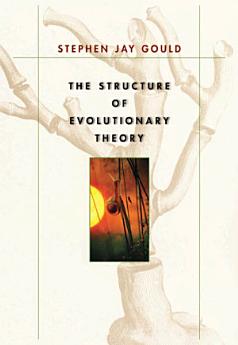
The Structure of Evolutionary Theory
មីនា 2002 · Harvard University Press
សៀវភៅអេឡិចត្រូនិច
1464
ទំព័រ
អំពីសៀវភៅអេឡិចត្រូនិកនេះ
The world's most revered and eloquent interpreter of evolutionary ideas offers here a work of explanatory force unprecedented in our time--a landmark publication, both for its historical sweep and for its scientific vision.
With characteristic attention to detail, Stephen Jay Gould first describes the content and discusses the history and origins of the three core commitments of classical Darwinism: that natural selection works on organisms, not genes or species; that it is almost exclusively the mechanism of adaptive evolutionary change; and that these changes are incremental, not drastic. Next, he examines the three critiques that currently challenge this classic Darwinian edifice: that selection operates on multiple levels, from the gene to the group; that evolution proceeds by a variety of mechanisms, not just natural selection; and that causes operating at broader scales, including catastrophes, have figured prominently in the course of evolution.
Then, in a stunning tour de force that will likely stimulate discussion and debate for decades, Gould proposes his own system for integrating these classical commitments and contemporary critiques into a new structure of evolutionary thought.
In 2001 the Library of Congress named Stephen Jay Gould one of America's eighty-three Living Legends--people who embody the "quintessentially American ideal of individual creativity, conviction, dedication, and exuberance." Each of these qualities finds full expression in this peerless work, the likes of which the scientific world has not seen--and may not see again--for well over a century.
With characteristic attention to detail, Stephen Jay Gould first describes the content and discusses the history and origins of the three core commitments of classical Darwinism: that natural selection works on organisms, not genes or species; that it is almost exclusively the mechanism of adaptive evolutionary change; and that these changes are incremental, not drastic. Next, he examines the three critiques that currently challenge this classic Darwinian edifice: that selection operates on multiple levels, from the gene to the group; that evolution proceeds by a variety of mechanisms, not just natural selection; and that causes operating at broader scales, including catastrophes, have figured prominently in the course of evolution.
Then, in a stunning tour de force that will likely stimulate discussion and debate for decades, Gould proposes his own system for integrating these classical commitments and contemporary critiques into a new structure of evolutionary thought.
In 2001 the Library of Congress named Stephen Jay Gould one of America's eighty-three Living Legends--people who embody the "quintessentially American ideal of individual creativity, conviction, dedication, and exuberance." Each of these qualities finds full expression in this peerless work, the likes of which the scientific world has not seen--and may not see again--for well over a century.
The world's most revered and eloquent interpreter of evolutionary ideas offers here a work of explanatory force unprecedented in our time--a landmark publication, both for its historical sweep and for its scientific vision.
With characteristic attention to detail, Stephen Jay Gould first describ...
ស្វែងរកច្រើនទៀត
អំពីអ្នកនិពន្ធ
Stephen Jay Gould was Alexander Agassiz Professor of Zoology at Harvard University and Vincent Astor Visiting Professor of Biology at New York University. A MacArthur Prize Fellow, he received innumerable honors and awards and wrote many books, including Ontogeny and Phylogeny and Time’s Arrow, Time’s Cycle (both from Harvard).
Stephen Jay Gould was Alexander Agassiz Professor of Zoology at Harvard University and Vincent Astor Visiting Professor of Biology at New York University. A MacArthur Prize Fellow, he received innumerable honors and awards and wrote many books, including Ontogeny and Phylogeny and Time’s Arrow, T...
វាយតម្លៃសៀវភៅអេឡិចត្រូនិកនេះ
ប្រាប់យើងអំពីការយល់ឃើញរបស់អ្នក។
អានព័ត៌មាន
ទូរសព្ទឆ្លាតវៃ និងថេប្លេត
ដំឡើងកម្មវិធី Google Play Books សម្រាប់ Android និង iPad/iPhone ។ វាធ្វើសមកាលកម្មដោយស្វ័យប្រវត្តិជាមួយគណនីរបស់អ្នក និងអនុញ្ញាតឱ្យអ្នកអានពេលមានអ៊ីនធឺណិត ឬគ្មានអ៊ីនធឺណិតនៅគ្រប់ទីកន្លែង។
កុំព្យូទ័រយួរដៃ និងកុំព្យូទ័រ
អ្នកអាចស្ដាប់សៀវភៅជាសំឡេងដែលបានទិញនៅក្នុង Google Play ដោយប្រើកម្មវិធីរុករកតាមអ៊ីនធឺណិតក្នុងកុំព្យូទ័ររបស់អ្នក។
eReaders និងឧបករណ៍ផ្សេងទៀត
ដើម្បីអាននៅលើឧបករណ៍ e-ink ដូចជាឧបករណ៍អានសៀវភៅអេឡិចត្រូនិក Kobo អ្នកនឹងត្រូវទាញយកឯកសារ ហើយផ្ទេរវាទៅឧបករណ៍របស់អ្នក។ សូមអនុវត្តតាមការណែនាំលម្អិតរបស់មជ្ឈមណ្ឌលជំនួយ ដើម្បីផ្ទេរឯកសារទៅឧបករណ៍អានសៀវភៅអេឡិចត្រូនិកដែលស្គាល់។


