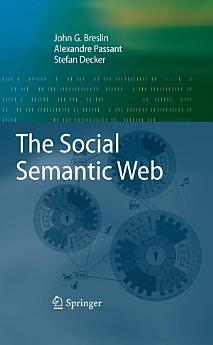
The Social Semantic Web

¡ ¡
¡ Springer Science & Business Media
⧍ āϟāĻž āĻĒā§°ā§āϝāĻžāϞ⧋āϚāύāĻž
āχāĻŦ⧁āĻ•
300
āĻĒ⧃āĻˇā§āĻ āĻž

āĻāχ āχāĻŦ⧁āĻ•āĻ–āύ⧰ āĻŦāĻŋāĻˇā§Ÿā§‡

The Social Web (including services such as MySpace, Flickr, last.fm, and WordPress) has captured the attention of millions of users as well as billions of dollars in investment and acquisition. Social websites, evolving around the connections between people and their objects of interest, are encountering boundaries in the areas of information integration, dissemination, reuse, portability, searchability, automation and demanding tasks like querying. The Semantic Web is an ideal platform for interlinking and performing operations on diverse person- and object-related data available from the Social Web, and has produced a variety of approaches to overcome the boundaries being experienced in Social Web application areas.

After a short overview of both the Social Web and the Semantic Web, Breslin et al. describe some popular social media and social networking applications, list their strengths and limitations, and describe some applications of Semantic Web technology to address their current shortcomings by enhancing them with semantics. Across these social websites, they demonstrate a twofold approach for interconnecting the islands that are social websites with semantic technologies, and for powering semantic applications with rich community-created content. They conclude with observations on how the application of Semantic Web technologies to the Social Web is leading towards the "Social Semantic Web" (sometimes also called "Web 3.0"), forming a network of interlinked and semantically-rich content and knowledge.

The book is intended for computer science professionals, researchers, and graduates interested in understanding the technologies and research issues involved in applying Semantic Web technologies to social software. Practitioners and developers interested in applications such as blogs, social networks or wikis will also learn about methods for increasing the levels of automation in these forms of Web communication.

The Social Web (including services such as MySpace, Flickr, last.fm, and WordPress) has captured the attention of millions of users as well as billions of dollars in investment and acquisition. Social websites, evolving around the connections between people and their objects of interest, are enco...

āĻ…āϧāĻŋāĻ• āĻŦāĻŋāϚāĻžā§°āĻŋ āĻĒāĻžāĻ“āĻ•

āĻŽā§‚āĻ˛ā§āϝāĻžāĻ‚āĻ•āύ āφ⧰⧁ āĻĒā§°ā§āϝāĻžāϞ⧋āϚāύāĻžāϏāĻŽā§‚āĻš

⧍ āϟāĻž āĻĒā§°ā§āϝāĻžāϞ⧋āϚāύāĻž

āϞāĻŋāĻ–āϕ⧰ āĻŦāĻŋāώāϝāĻŧ⧇

John Breslin is a researcher and adjunct lecturer at the Digital Enterprise Research Institute (DERI) at the National University of Ireland, Galway. His research interests include social software, online communities, and the Semantic Web. He is founder of the Semantically-Interlinked Online Communities (SIOC) project, and he also co-founded Irish community site boards.ie Ltd.

Stefan Decker is a professor at and director of DERI at the National University of Ireland, Galway. His research interests include the Semantic Web, digital libraries, and the social semantic desktop. Stefan has a PhD in computer science from the University of Karlsruhe. His dissertation work was quoted as one of the inspirations for the DARPA Agent Markup Language (DAML) program, which spans the Semantic Web effort.

Alexandre Passant is a post-doctoral researcher at DERI at the National University of Ireland, Galway. His research interests are Semantic Web and Social Software. Alexandre also feeds his own blog under www.apassant.net

John Breslin is a researcher and adjunct lecturer at the Digital Enterprise Research Institute (DERI) at the National University of Ireland, Galway. His research interests include social software, online communities, and the Semantic Web. He is founder of the Semantically-Interlinked Online Commu...

āĻāχ āχāĻŦ⧁āĻ•āĻ–āύāĻ• āĻŽā§‚āĻ˛ā§āϝāĻžāĻ‚āĻ•āύ āϕ⧰āĻ•

āφāĻŽāĻžāĻ• āφāĻĒā§‹āύāĻžā§° āĻŽāϤāĻžāĻŽāϤ āϜāύāĻžāĻ“āĻ•āĨ¤

āĻĒāĻĸāĻŧāĻžā§° āύāĻŋāĻ°ā§āĻĻ⧇āĻļāĻžā§ąāϞ⧀

āĻ¸ā§āĻŽāĻžā§°ā§āϟāĻĢ’āύ āφ⧰⧁ āĻŸā§‡āĻŦāϞ⧇āϟ
Android āφ⧰⧁ iPad/iPhoneā§° āĻŦāĻžāĻŦ⧇ Google Play Books āĻāĻĒāĻŸā§‹ āχāύāĻˇā§āϟāϞ āϕ⧰āĻ•āĨ¤ āχ āĻ¸ā§āĻŦāϝāĻŧāĻ‚āĻ•ā§āϰāĻŋāϝāĻŧāĻ­āĻžā§ąā§‡ āφāĻĒā§‹āύāĻžā§° āĻāĻ•āĻžāωāĻŖā§āϟ⧰ āϏ⧈āϤ⧇ āĻ›āĻŋāĻ‚āĻ• āĻšāϝāĻŧ āφ⧰⧁ āφāĻĒ⧁āύāĻŋ āϝ'āϤ⧇ āύāĻžāĻĨāĻžāĻ•āĻ• āϤ'āϤ⧇āχ āϕ⧋āύ⧋ āĻ…āĻĄāĻŋāĻ…'āĻŦ⧁āĻ• āĻ…āύāϞāĻžāχāύ āĻŦāĻž āĻ…āĻĢāϞāĻžāχāύāϤ āĻļ⧁āύāĻŋāĻŦāϞ⧈ āϏ⧁āĻŦāĻŋāϧāĻž āĻĻāĻŋāϝāĻŧ⧇āĨ¤
āϞ⧇āĻĒāϟāĻĒ āφ⧰⧁ āĻ•āĻŽā§āĻĒāĻŋāωāϟāĻžā§°
āφāĻĒ⧁āύāĻŋ āĻ•āĻŽā§āĻĒāĻŋāωāϟāĻžā§°ā§° ā§ąā§‡āĻŦ āĻŦā§āϰāĻžāωāϜāĻžā§° āĻŦā§āĻ¯ā§ąāĻšāĻžā§° āϕ⧰āĻŋ Google PlayāϤ āĻ•āĻŋāύāĻž āĻ…āĻĄāĻŋāĻ…'āĻŦ⧁āĻ•āϏāĻŽā§‚āĻš āĻļ⧁āύāĻŋāĻŦ āĻĒāĻžā§°ā§‡āĨ¤
āχ-ā§°ā§€āĻĄāĻžā§° āφ⧰⧁ āĻ…āĻ¨ā§āϝ āĻĄāĻŋāĻ­āĻžāχāϚ
Kobo eReadersā§° āĻĻ⧰⧇ āχ-āϚāĻŋ⧟āĻžāρāĻšā§€ā§° āĻĄāĻŋāĻ­āĻžāχāϚāϏāĻŽā§‚āĻšāϤ āĻĒā§āĻŋāĻŦāϞ⧈, āφāĻĒ⧁āύāĻŋ āĻāϟāĻž āĻĢāĻžāχāϞ āĻĄāĻžāωāύāĻ˛â€™āĻĄ āϕ⧰āĻŋ āϏ⧇āχāĻŸā§‹ āφāĻĒā§‹āύāĻžā§° āĻĄāĻŋāĻ­āĻžāχāϚāϞ⧈ āĻ¸ā§āĻĨāĻžāύāĻžāĻ¨ā§āϤ⧰āĻŖ āϕ⧰āĻŋāĻŦ āϞāĻžāĻ—āĻŋāĻŦāĨ¤ āϏāĻŽā§°ā§āĻĨāĻŋāϤ āχ-ā§°āĻŋāĻĄāĻžā§°āϞ⧈ āĻĢāĻžāχāϞāĻŸā§‹ āϕ⧇āύ⧇āĻ•ā§ˆ āĻ¸ā§āĻĨāĻžāύāĻžāĻ¨ā§āϤ⧰ āϕ⧰āĻŋāĻŦ āϜāĻžāύāĻŋāĻŦāϞ⧈ āϏāĻšāĻžāϝāĻŧ āϕ⧇āĻ¨ā§āĻĻā§ā§°āϤ āĻĨāĻ•āĻž āϏāĻŦāĻŋāĻļ⧇āώ āύāĻŋā§°ā§āĻĻ⧇āĻļāĻžā§ąāϞ⧀ āϚāĻžāĻ“āĻ•āĨ¤