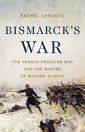
এই ইবুকখনৰ বিষয়ে
When war broke out between France and Prussia in the summer of 1870, one of the first targets of the invading German armies was Strasbourg. From August 15 to September 27, Prussian forces bombarded this border city, killing hundreds of citizens, wounding thousands more, and destroying many historic buildings and landmarks. For six terror-filled weeks, “the city at the crossroads” became the epicenter of a new kind of warfare whose indiscriminate violence shocked contemporaries and led to debates over the wartime protection of civilians.
The Siege of Strasbourg recovers the forgotten history of this crisis and the experiences of civilians who survived it. Rachel Chrastil shows that many of the defining features of “total war,” usually thought to be a twentieth-century phenomenon, characterized the siege. Deploying a modern tactic that traumatized city-dwellers, the Germans purposefully shelled nonmilitary targets. But an unintended consequence was that outsiders were prompted to act. Intervention by the Swiss on behalf of Strasbourg’s beleaguered citizens was a transformative moment: the first example of wartime international humanitarian aid intended for civilians.
Weaving firsthand accounts of suffering and resilience through her narrative, Chrastil examines the myriad ethical questions surrounding what is “legal” in war and what rights civilians trapped in a war zone possess. The implications of the siege of Strasbourg far exceed their local context, to inform the dilemmas that haunt our own age—in which collateral damage and humanitarian intervention have become a crucial part of our strategic vocabulary.
When war broke out between France and Prussia in the summer of 1870, one of the first targets of the invading German armies was Strasbourg. From August 15 to September 27, Prussian forces bombarded this border city, killing hundreds of citizens, wounding thousands more, and destroying many histor...
অধিক বিচাৰি পাওক
লিখকৰ বিষয়ে
Rachel Chrastil is Associate Professor of History at Xavier University.
Rachel Chrastil is Associate Professor of History at Xavier University.
এই ইবুকখনক মূল্যাংকন কৰক
আমাক আপোনাৰ মতামত জনাওক।
পঢ়াৰ নির্দেশাৱলী
স্মাৰ্টফ’ন আৰু টেবলেট
Android আৰু iPad/iPhoneৰ বাবে Google Play Books এপটো ইনষ্টল কৰক। ই স্বয়ংক্রিয়ভাৱে আপোনাৰ একাউণ্টৰ সৈতে ছিংক হয় আৰু আপুনি য'তে নাথাকক ত'তেই কোনো অডিঅ'বুক অনলাইন বা অফলাইনত শুনিবলৈ সুবিধা দিয়ে।
লেপটপ আৰু কম্পিউটাৰ
আপুনি কম্পিউটাৰৰ ৱেব ব্রাউজাৰ ব্যৱহাৰ কৰি Google Playত কিনা অডিঅ'বুকসমূহ শুনিব পাৰে।
ই-ৰীডাৰ আৰু অন্য ডিভাইচ
Kobo eReadersৰ দৰে ই-চিয়াঁহীৰ ডিভাইচসমূহত পঢ়িবলৈ, আপুনি এটা ফাইল ডাউনল’ড কৰি সেইটো আপোনাৰ ডিভাইচলৈ স্থানান্তৰণ কৰিব লাগিব। সমৰ্থিত ই-ৰিডাৰলৈ ফাইলটো কেনেকৈ স্থানান্তৰ কৰিব জানিবলৈ সহায় কেন্দ্ৰত থকা সবিশেষ নিৰ্দেশাৱলী চাওক।